
Overpopulation — When Art Predicted the Future Before Science Could Prove It
A Vision the World Wasn’t Ready For
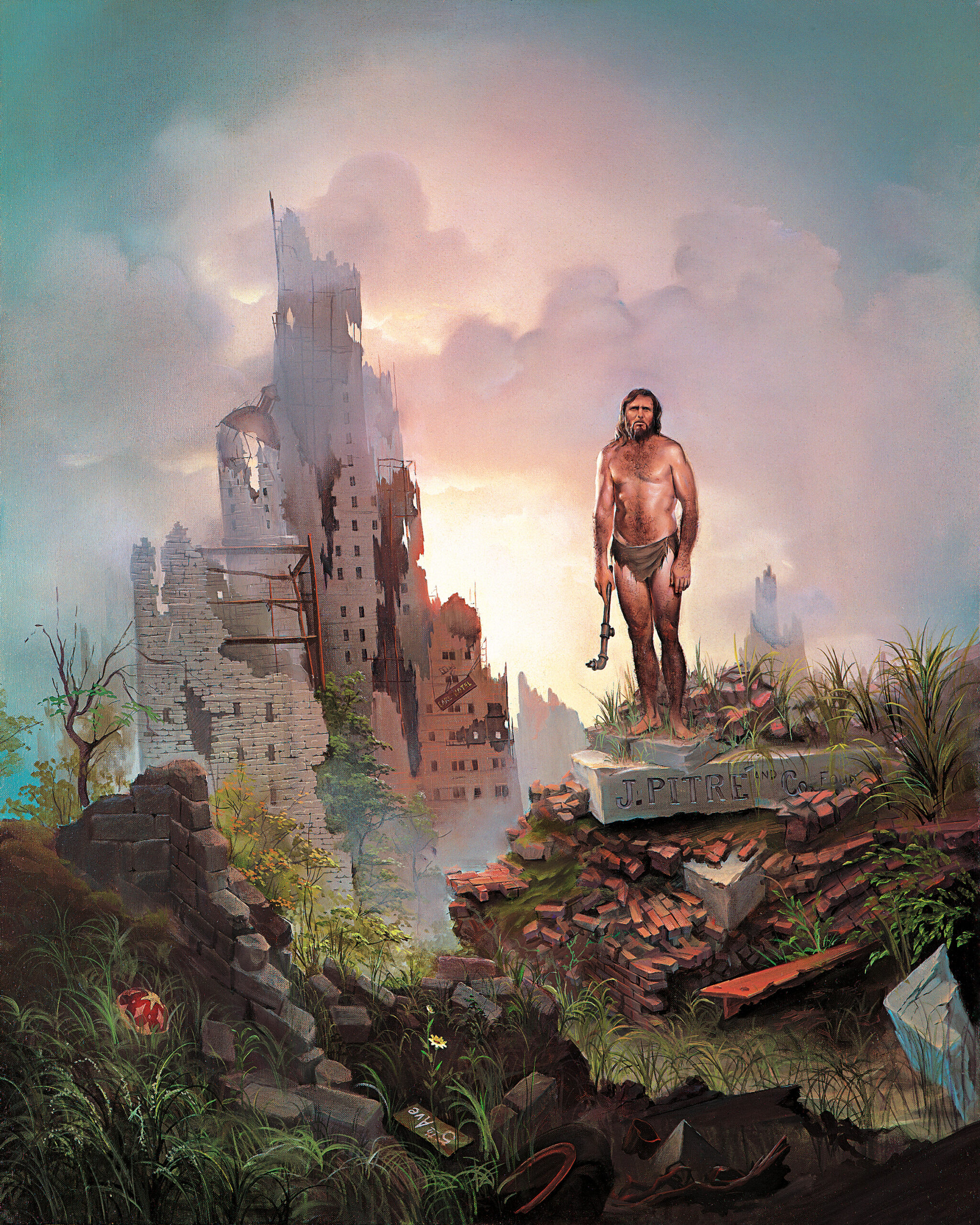
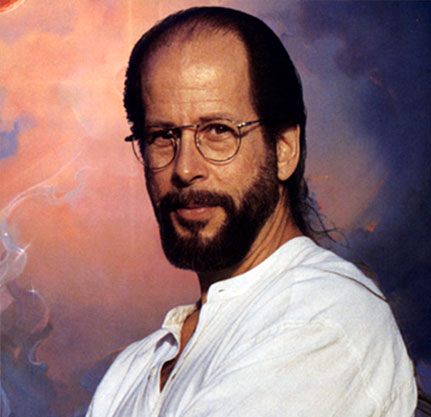
In the early 1960s, long before surrealism had a place in mainstream conversation, John Pitre created something the world didn’t yet understand.
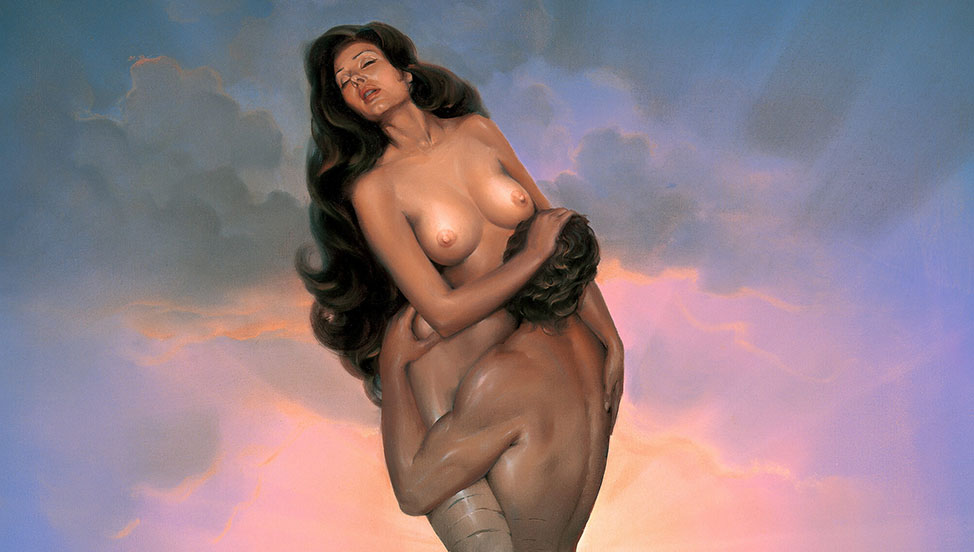
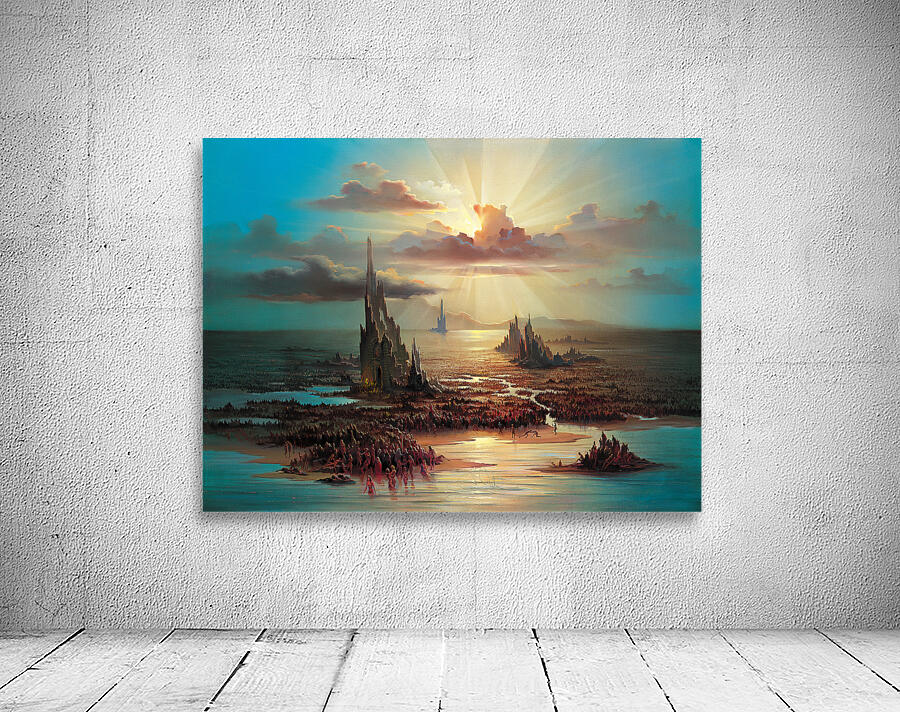
Overpopulation was not simply a painting—it was a warning.
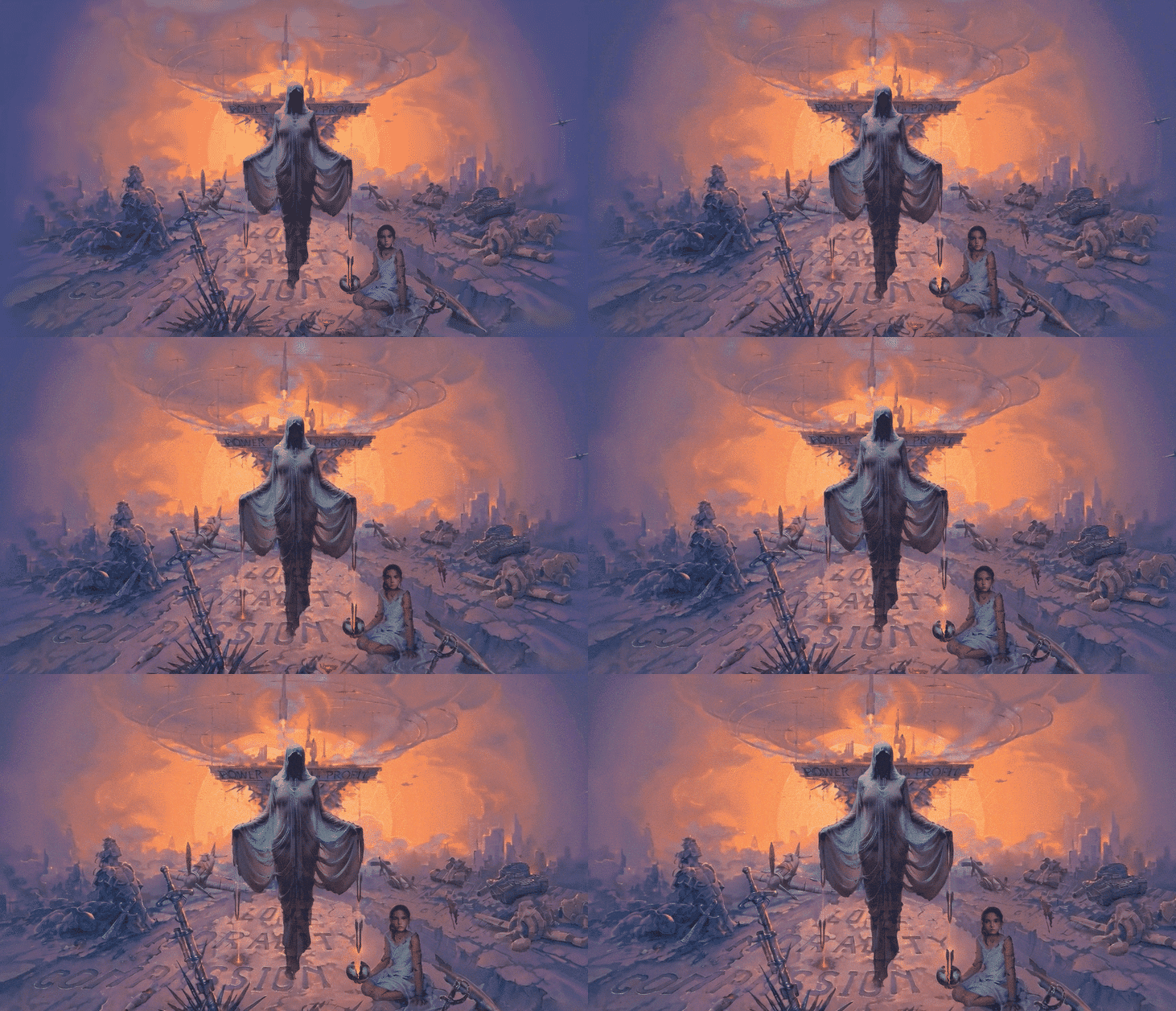
Human figures multiplied endlessly. Cities stretched beyond their limits. The earth itself seemed burdened by the weight of its inhabitants. Above it all, light broke through the sky, suggesting both hope and judgment.
But at the time, there was no language for what Pitre had created.
People didn’t understand surrealism.
And they certainly didn’t understand his work.
From Rejection to a Storefront Window
Frustrated by the lack of recognition, Pitre made a bold and simple decision—he placed the painting in the window of a small shop in Palm Beach.
No explanation. No pitch.
Just the work, waiting to be seen.
What happened next would change everything.
When Science Found the Painting
At that exact moment, the research vessel Calypso arrived in Palm Beach Harbor for repairs.
On board were two of the most forward-thinking minds of the era—Jacques Cousteau and Jacques Piccard.
They had been working on a scientific paper examining the long-term consequences of overpopulation—an idea that, at the time, was still emerging in academic circles.
Then they saw the painting.
It stopped them.
What they had been trying to communicate through research and data, Pitre had already expressed visually—with emotion, clarity, and urgency.
They immediately reached out.
A Global Moment: Art Meets Science
Cousteau and Piccard asked to use “Overpopulation” as the cover of their scientific publication—a paper that would circulate across Europe and contribute to early discussions on overpopulation growth and the strain on the environment that it creates.
Pitre’s response was immediate and humble:
“For you guys, it’s free.”
With that, a painting once overlooked became part of an international scientific dialogue.
It was no longer just art.
It was a message.
The Influence of Exploration and Risk
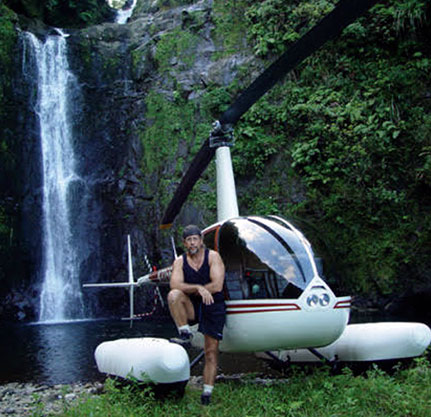
Pitre’s connection to these explorers went deeper than that single moment.
He had long been fascinated by their work beneath the ocean—particularly the groundbreaking explorations led by Cousteau.
At the time, scuba diving as we know it today didn’t exist commercially. There were no stores. No equipment readily available. No guides.
So he created his own path.
He ordered early diving equipment directly from France—becoming one of the first individuals in the United States to own a mask, tank, and regulator.
It was experimental.
It was dangerous.
And it was entirely self-taught.
Before that, at just 19 years old, Pitre and another young diver attempted something almost unimaginable—they tied cinder blocks to their feet and walked into the ocean.
No fins. No training. No safety net.
And somehow, they survived.
Diving Into the Unknown
That moment sparked a lifetime of exploration.
Pitre would go on to dive in some of the most remote places on Earth—including Micronesia and Roatán, off the coast of Honduras—long before they became known destinations.
Back then, these places were untouched, unpredictable, and often dangerous.
He recalls a single hotel surrounded by armed guards to protect visiting tourists. The environment was raw and unfiltered—far removed from the polished travel experiences we know today.
It was in these environments—on the edge of the unknown—that his perspective was shaped.
A Painting That Was Never Meant to Be Understood Right Away
Overpopulation wasn’t created to fit into its time.
It was created ahead of it.
What others dismissed as surreal or abstract was, in reality, a deeply intuitive understanding of where humanity was headed.
Today, the themes within the painting feel more relevant than ever.
Population growth. Environmental strain. The delicate balance between progress and sustainability.
Why Overpopulation Still Matters Today
What makes this story so powerful is not just the painting itself but what it represents.
It’s a reminder that:
- Art can see what science has yet to prove
- Vision often comes before validation
- And sometimes, the most important ideas are the ones least understood at first
Overpopulation stands as a bridge between two worlds—creative expression and scientific truth.
Decades later, its message is now timely.
It’s right on time.