
What the Fog Took Away
Sometimes the most important places in your life are the ones you never planned to stay.
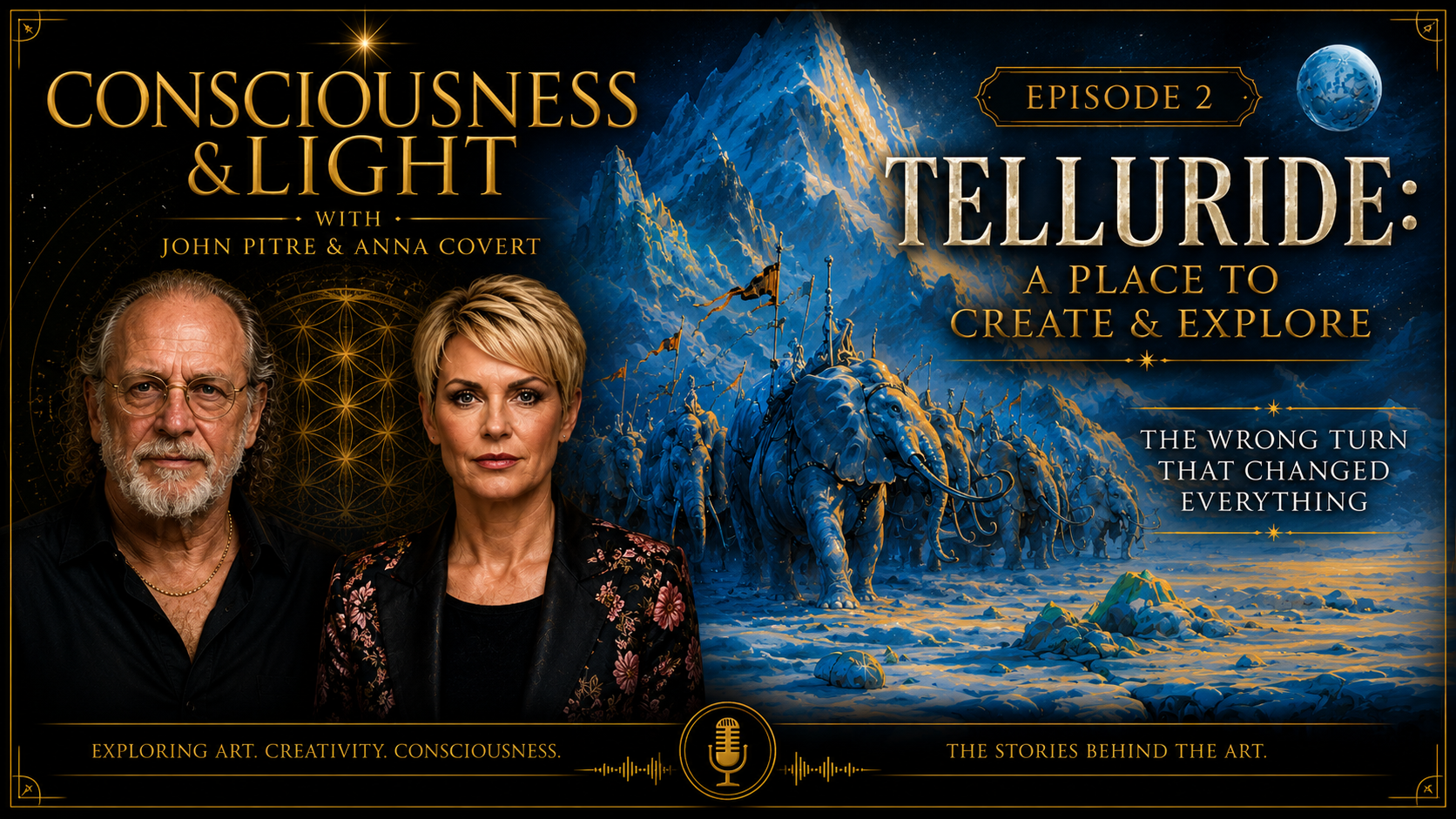
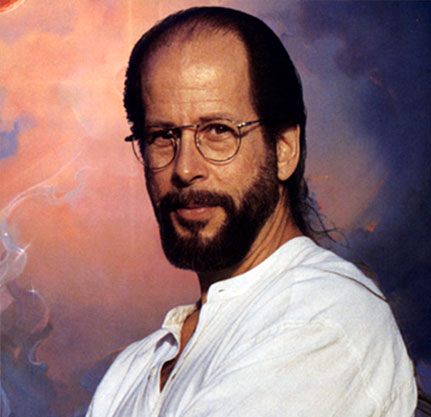
John Pitre never meant to move to Telluride. He had never even heard of it. It was only meant to be a place to stop and rest for a moment—a pause in the road before heading somewhere else.
At the time, he was leaving behind Miami in the 1970s and 80s. Not just the city, but the entire world it had become: obscene money if you wanted it, beautiful people, beautiful places, endless parties that lasted far too long, and the strange gravity of what made it happen—a place where beauty, adventure, and risk often merged into the same thing. It was life in the fast lane. Not real. Hazy. An illusion. It couldn’t last.
It was time to leave.
So he bought the biggest motor coach he could find, loaded up his two little daughters, and pointed west with one idea in mind: find somewhere different. Somewhere with space. Somewhere with air. Somewhere no one cared who you were.
The girls loved the bus. It was a rolling adventure rather than a relocation. They crossed the Rockies with no real plan, just instinct and the hope that somewhere on the other side would feel right. They came to rest just above San Francisco—a place that looked comfortable, upscale, and a little artsy. For a moment, it looked just right. The weather was perfect.
But soon, the cold, damp gray fog from the northern Pacific rolled in and stayed. The girls hated it. Cold, dark, unfamiliar—it didn’t feel like home to them. Their opinion mattered to John. He turned the bus around.
Then on their way back across the Rockies, they made a wrong turn. Or maybe the right one.
It led to a small mountain town that looked just like the old West towns you’d see in movies.
John pulled the motor coach to a stop across from an old classic bar on the main street. The Roma Bar. The girls were excited. This place was different, and they wanted to explore.
“Go,” John said.
They took off with their keys to the bus, disappearing into the town while it was still light—late afternoon. These were the times when kids disappeared for hours and no one panicked. They found horses. Open fields. The kind of freedom mountain towns could offer to young souls.
John looked across at the bar. Inside, through the windows, he could see two people. A real cowboy—the kind that actually worked the ranches up there—was leaning against the bar with a rifle beside him like it was just as it was supposed to be in this different world. And the bartender. A man who looked like a cross between a hippie and a cowboy. An odd combination. They were talking, but not really. They looked as if they had been the bar’s best customers for the last few hours. Tired of each other. Ready for something else.
John was exhausted from the drive. He was thinking that they would only stay maybe an hour or two, then head out again.
He walked into the bar.
As soon as the cowboy saw him, something shifted. The conversation stopped. The cowboy turned to the bartender.
“Pour this man a drink. Put it on my tab.”
John took the drink. They started talking. Three hours later, they were still talking.
His daughters came back when it was getting dark and John could see the lights on in the motor coach, tiny little shadows in the windows running about. The decision had already been made.
“We want to stay here.”
So they did.
What was meant to be temporary became nine years.
And Telluride changed everything.
A Town of Escapes
John rented a large apartment inside what had once been the old Miners’ Union Hospital—a historic building that someone had transformed into luxury living. It was oversized, dramatic, and perfect for an artist who had never been particularly interested in living small.
Telluride in those years was unlike anywhere else. It was a town where its only residents seemed to be skiers, artists, drifters, mountain women, cowboys, and people who had arrived for a season and somehow stayed for a lifetime. Everyone came chasing a feeling. Or trying to outrun one. And here, they found it.
People were freer there. Less polished. More honest. Back then, nobody thought twice about getting naked, growing pot plants the size of trees, or spending entire afternoons talking about art and philosophy—and whether the universe was trying to tell you something.
It was beautiful. It was precisely the kind of place where surrealism made perfect sense.
The Motor Coach
John had the motor coach, so he parked it behind the Miners Union. Didn’t think much about it. Just locked it up and moved into the apartment upstairs. He’d sell it eventually. Or keep it. He hadn’t decided.
Then it started to snow.
In Telluride, in a box canyon, snow doesn’t just fall. It accumulates. It piles. A couple of months passed. John walked out after about a month and looked at where he’d left the motor coach.
It was gone. Completely buried.
But the Miners Union had a basement with windows. The windows looked out at the spot where the motor coach was buried under the snow. John unscrewed one of the windows, looked at the white wall of hard-packed snow, and had an idea.
“I think the motor coach is right over there,” he told the girls. “Dig a tunnel to it.”
It became a project. A couple of days with friends, little shovels, and the kind of fun that only happens in a place like Telluride. They dug. The snow was frozen solid on top, rock hard from the sun and refreezing. They dug until the tunnel reached the door.
The motor coach became a clubhouse. It was heated and still had a working engine. The girls and their friends hung out in there all winter.
The cowboy from the Roma Bar—the one who’d bought John that first drink the day he arrived—was out of work during the snow months. John offered him the motor coach. He was a clean guy, not a drunk, just needing a place to sleep. He stayed there for most of the winter.
The motor coach had found its purpose.
The Sisters Who Owned Half the Mountain
And then there were the twin sisters.
Local legends. Mountain women who had grown up there and seemed to own half the town—because in many ways, they did. They were among the first to truly commercialize Telluride, with deep roots in the land, the businesses, and the future. They dressed like cowgirls, rode horses, drove jeeps, and moved through town with the kind of confidence that only true ownership gives.
Louise was the more outgoing of the two. Brilliant, independent, and impossible to intimidate. She owned bars, restaurants, nightclubs, and pieces of Telluride history itself. She was the kind of woman everyone knew and no one could forget.
John became close with them. Especially Louise.
One day, after hiking for three hours in the high forest, Louise stopped.
“See that baseball team down there?” she said.
“Yeah?”
“Watch this.”
She had been picking mushrooms. She didn’t tell John which kind. She walked down and gave them to the baseball team. A chunk each.
“Go over there and watch,” she told John. “We’re just going to hang out for a while.”
They positioned themselves where they could see, but not intrude.
What followed was surreal. Joyful. Players were wandering the bases the wrong way, laughing at things no one else could see. She had altered their sense of the world—and now they were inside it.
“I thought you’d find it funny,” she said when she came back.
That was Louise. She could do that. Walk into a situation and change everything. The baseball team went back to their lives. Louise went back to the Loon Gypsy Bar—her bar, always her bar.
Louise saw futures in places. Mountains, land, businesses—she understood the mathematics of value the way other people understood breathing. She had offered to sell John property dozens of times. Land was cheap then. You could own half the mountain for nothing. In a few years, it would be worth millions.
She wasn’t wrong.
One day, John took her up on it. An old schoolhouse the miners had built. Fortress walls, three feet thick. Enormous classrooms. It was incredible—the kind of building that made you understand what endurance meant.
He owned it for a while.
Then he realized what it would take to do anything with it. Money he didn’t have. Dreams he could not yet afford. And something else: the weight of it. Once you own things, they own you.
He gave it back to her.
“Keep the deposit,” he said.
She didn’t want it either.
Years later, after John had left Telluride, the schoolhouse became luxury apartments. High-end. Someone made a lot of money. Louise had anticipated it. She was always right about those things.
A Room With A View
John started teaching life drawing classes in Telluride in the evenings. In a town like that, the words “nude models” were enough to guarantee a full room.
Everyone came.
What began with eight people quickly grew to sixty or more, packed in with pads and pencils—skiers, artists, locals, drifters, curious tourists, beautiful people, and some not. When he asked for volunteers to model, hands rose without hesitation. Beautiful men and women, carrying the kind of effortless confidence that comes from living close to nature and far from convention.
It wasn’t scandalous. It was just something to do. And it was fun.
The classes became part art school, part social gathering, and part anthropology experiment. Music lingered in the air, wine flowed, and laughter gave way to an easy intimacy that only emerges when pretense fades.
And to John’s delight and amazement, some of them could really draw.
What the Forest Showed Him
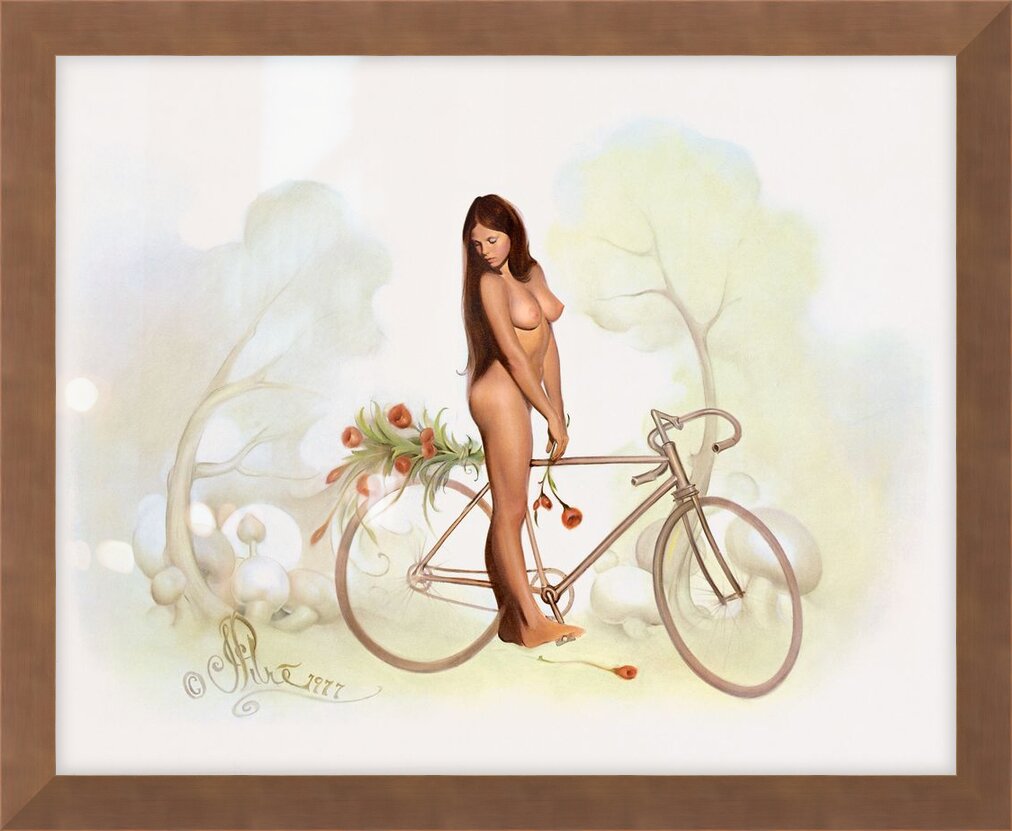
One night, a woman who’d been modeling for him said she’d pose for him anywhere. He said, “Come with me into the forest.”
Not to a studio. Not a formal sitting. Just the woods. In the late afternoon light, when it breaks through the trees in perfect beams and does its sacred dance with color and light.
He painted her there. A small sketch portrait. His inspiration came from the plants, the shadows, and the shafts of warm gold light cutting through the forest like something alive.
When she came back and saw the finished piece, she laughed.
“It looks like me,” she said. “But that is definitely not the forest in Telluride.”
That was exactly the point.
John was never interested in capturing reality as it was. He drew from memory, shaping feeling and atmosphere into something more—not to escape truth, but to get closer to it. Light became his subject. The way it moved across her skin transformed what was real into something beyond reality.
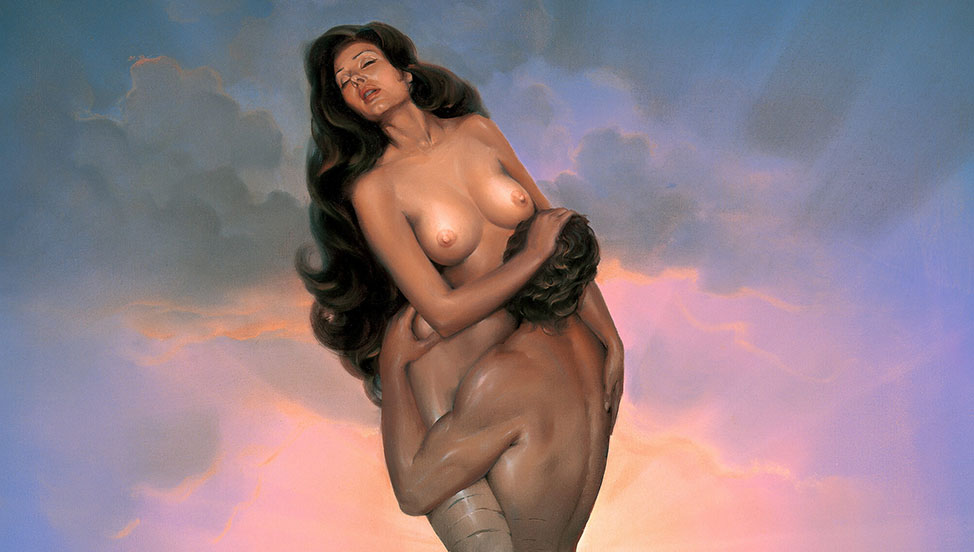
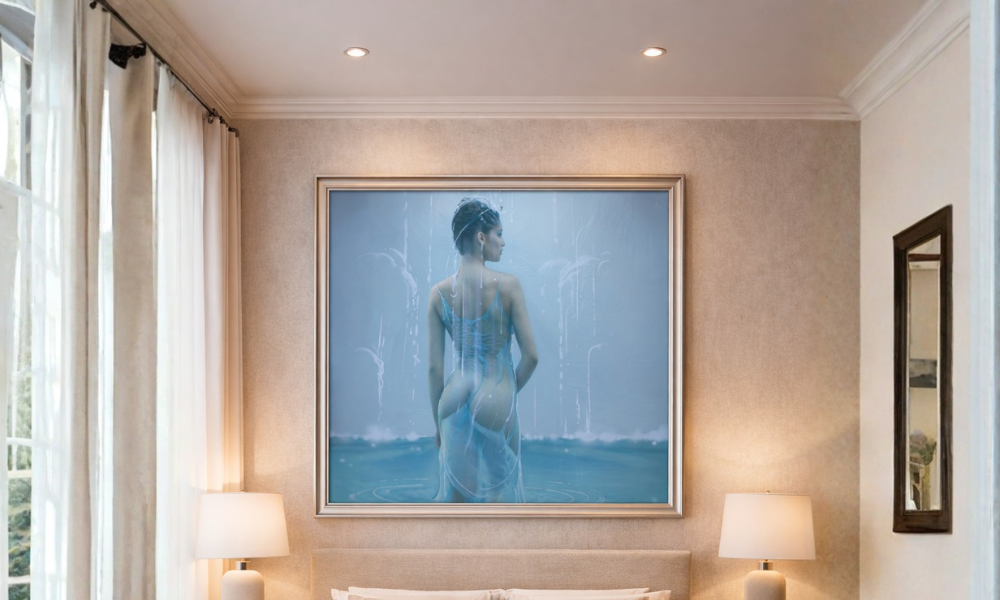
That painting became Twilight Fantasy. It was a sensual, dreamlike collision of nature, beauty, and imagination. It captured the magic of dusk, where light dissolves into shadow and the line between the seen world and the unseen one begins to disappear.
That energy—the beauty, the freedom, the intimacy of bodies and nature—rippled through his work during those years.
The Clarity That Cuts
During his Telluride years, John became increasingly drawn to symbolism, intuition, and the unseen forces that shape human awareness. In a town full of artists, wanderers, and mountain philosophers, conversations about fate, perception, and the deeper architecture of life felt as normal as talking about weather.
That atmosphere inspired the Queen of Swords.
At the center of the painting, a luminous female figure rises in radiant light, surrounded by swords that extend outward like spokes of consciousness—sharp, precise, and unwavering. She is not passive. She is not waiting. She sees.
The work draws from the Queen of Swords archetype in Tarot—a symbol of clarity, truth, and heightened intellect, where emotion is refined into wisdom and perception becomes power. The swords, often associated with conflict, become something else entirely here: instruments of discernment, representing the ability to cut through illusion and stand firmly in truth.
Light pours from above, illuminating her as if insight itself were taking form. She is powerful not because she controls others, but because she understands.
Among Giants
Explorers came from a quieter side of Telluride. For all the wild stories—the nude art classes, the endless creative energy, the beautiful people, the late nights—there was another side to that chapter that mattered just as much.
Telluride was where John reconnected with nature, with silence, and with a sense of scale that made everything feel both bigger and simpler at the same time. The mountains had a way of doing that.
Living there constantly surrounded me with something ancient and humbling. The forests, the aspens, the massive sky, the way light moved through the trees in the late afternoon—it all felt alive. It was impossible not to feel small in the best possible way.
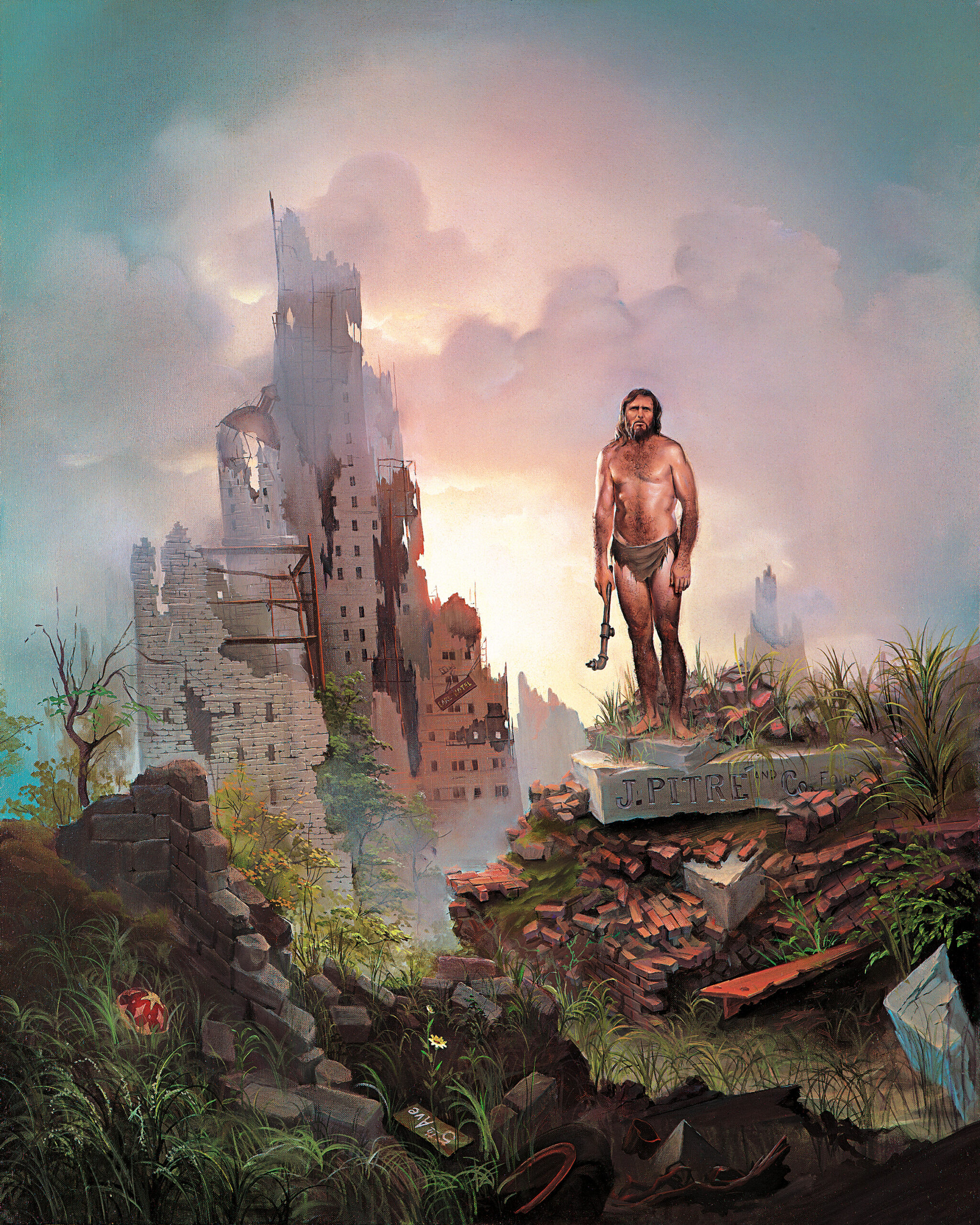
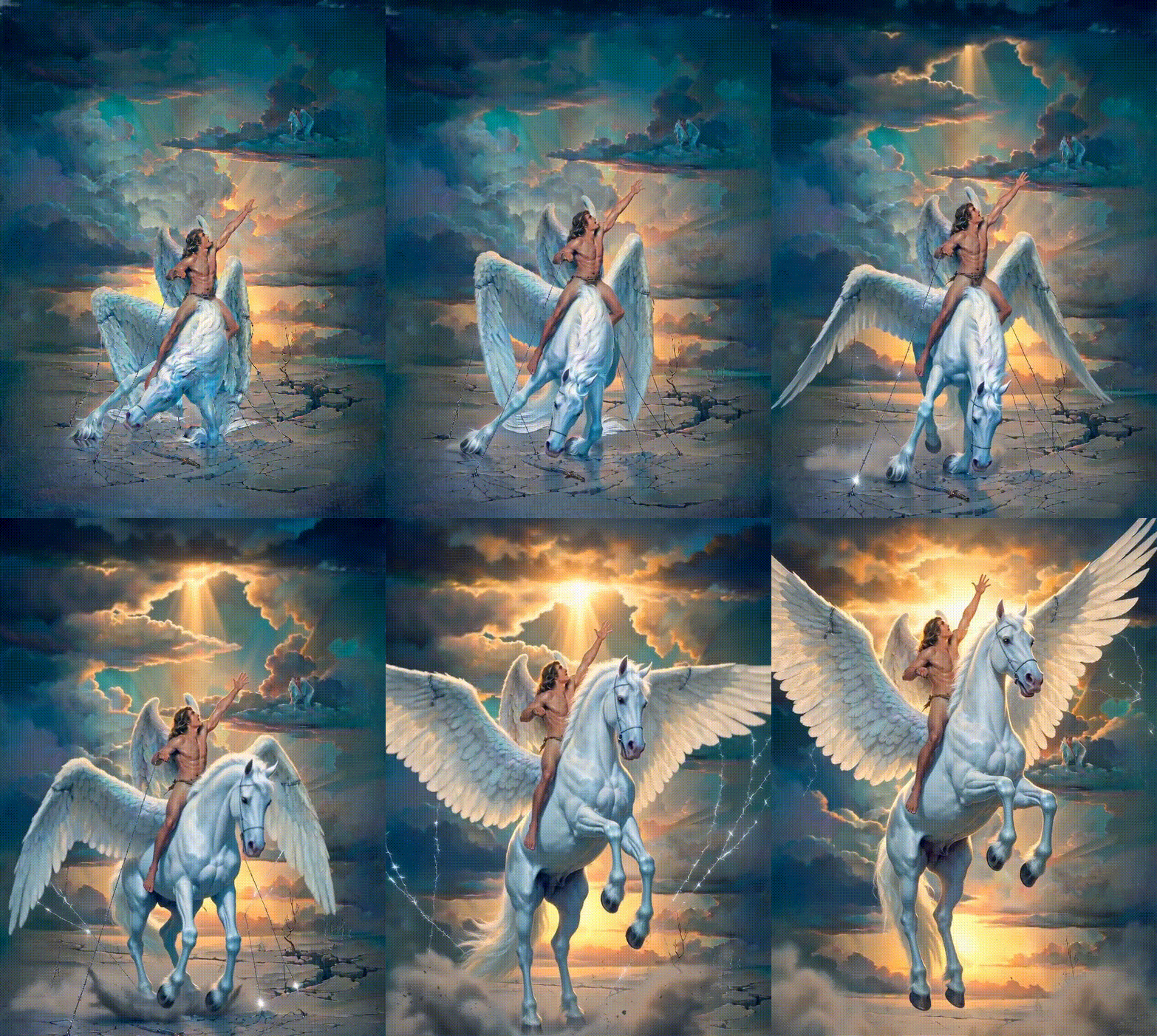
That perspective changed the work. “Explorers” reflects that feeling. Unlike the sensual energy of Twilight Fantasy or the symbolic clarity of Queen of Swords, this piece carried a different kind of power. It was about presence. It was about standing in nature and realizing you are not the center of it. It was about wonder, perspective, and the quiet confidence that comes from understanding your place inside something much larger.
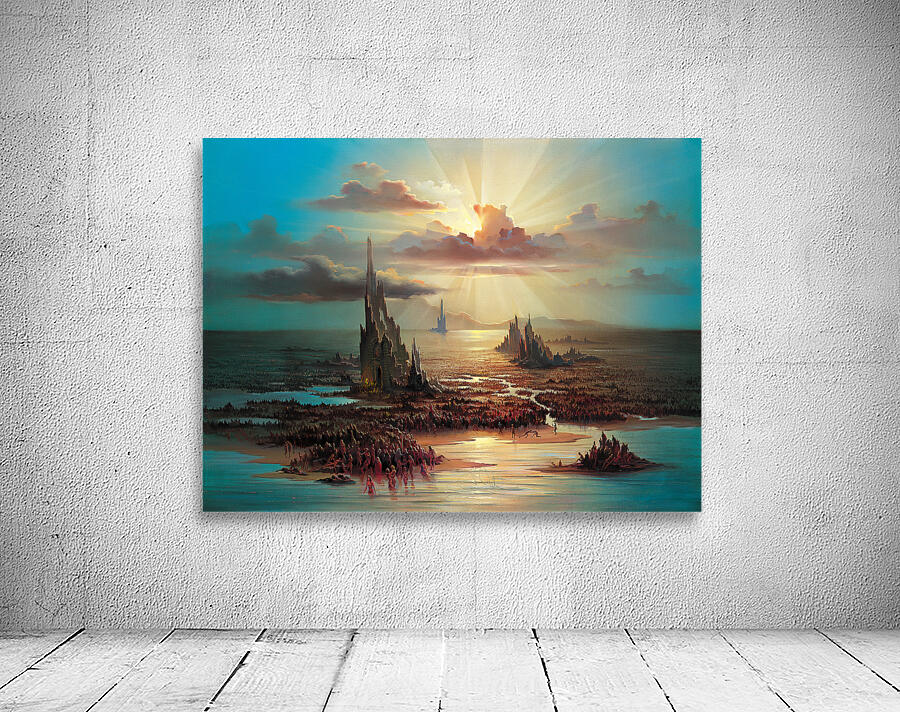
That period in Telluride shaped more than a few paintings. It reshaped the way he saw light, composition, and storytelling. Pieces from that era began to carry more atmosphere, more mystery, and more emotional scale. There was a softness to the light, but also a deeper sense of exploration—works that felt less like paintings and more like invitations into another world.
It was a place to slow down, but never to stop.
The Plants No One Asked About
Of course, Telluride had its own version of trouble.
Everybody was smoking pot back then. Everybody but John. Still, he got a pile of seeds. He didn’t have a plan. He just had these big old urns that were already sitting in the windows—art pieces, really, that fit the apartment. He filled them with really good soil he found. He stuck the seeds in there. And then he didn’t think about it again.
Next thing he knew, jack-in-the-beanstalk plants were coming up.
They got huge. He had no idea how big a pot plant could actually get. But they were sitting in bright, sunny windows, and the sun was shining all day, and it did its work. Five of them. Maybe six. They just kept growing.
By the time John realized what he had, they were enormous. Practically pressing themselves against the windows. Impossible to ignore. Framed perfectly for anyone who looked up from the street.
Before he left for Las Vegas to check on his gallery inside the MGM Grand, John told his ex-wife more than once: “You’ve got to rotate those plants. Turn them around. People can see them from the street.”
She forgot.
One day, his daughter got her fingers stuck in a newspaper box downtown. A serious accident. The police came to the apartment to notify someone.
They looked up.
There, framed perfectly in the windows of one of Telluride’s most recognizable buildings, were giant marijuana plants waving hello to the entire town.
A warrant followed.
When John returned from Las Vegas, he found the town marshal, the sheriff, and two state police standing in the hallway waiting for him.
“Hi guys,” he said. “What’s going on?”
“We have a warrant to search the place for illegal substances.”
John had honestly forgotten about the plants—until they walked in and one officer looked up and said, “If there’s nothing in here… what the hell are those?”
There wasn’t much to argue.
He laughed, accepted the situation, and even helped them carry the plants downstairs himself. They were so large they barely fit. Huge green branches hanging out of the police car windows as they drove him through town in what had to be the least discreet drug bust in Colorado history.
By the time they reached the street, the local newspaper was already there. Small-town news travels fast.
The next morning, John picked up the paper and found himself on the front page. His head is sticking out between giant marijuana leaves like some accidental gardening advertisement.
It should have ended there.
Instead, it got better.
Overnight, while the plants were locked inside the police station, someone broke in and stripped them. Every leaf, every bud. Just the stalks left.
The police were so embarrassed they wanted the whole thing to quietly disappear. Eventually, it did. The charges faded. The town moved on. The story became part of local legend.
In Telluride, that was usually enough.
The Invention
John had been thinking about exercise differently. Control. Resistance. The idea was that if you could pump water in and out of chambers, you could control the weight perfectly. Water was heavy. Responsive. Forgiving. It was simple but powerful.
He found a blacksmith in Telluride. Together, they made the first unit. All black, heavy metal. It looked like what it was: something a blacksmith had made. Beautiful. Classy. It was the opposite of what everyone else was doing.
It worked.
The concept was elegant: no jerking, no impact. Pure, controlled movement. John knew this was something. He started showing it to people. People listened. Not because of the machine—because of who was building it.
Then someone unexpected came knocking.
The Visitor
Arthur Jones heard about it through the grapevine.
A variable resistance piece of exercise equipment. The only one in the world at the time. He had to see it.
Owner of Nautilus—the exercise machines that changed how the body moved under weight. A man who collected wild animals and flew his jet. He was a man who made things matter.
He called ahead. Said he’d be stopping in Telluride for a couple of hours on Wednesday.
When he showed up, John showed him the prototype.
Arthur looked at it. Really looked at it. Five minutes. That was all he needed. He completely understood everything about it. Every detail. The engineering. The concept. The potential.
He looked at John.
“Pack your bags,” he said. “Tell your girlfriend to pack hers too.”
“Where are we going?” John asked.
“Atlanta. We’re picking up some football players.”
They landed in Atlanta. Arthur filled the plane with big guys—stars, guys everybody knew. Then he flew them all down to his place in Florida. His runway. His hangar. A forest out back where he kept wild animals. Elephants. Giraffes. Imported from Africa.
And crocodiles. A massive pond full of them. He’d feed them live chickens and make you stand there and watch while he did it. That was his idea of entertainment.
That was Arthur.
And just like that, everything was about to change.
Telluride had been his artist’s world. But now something else was calling. Something bigger. Something that would demand everything he’d learned and push him further than he’d ever gone.
The story was just beginning.
THE STORY CONTINUES IN OREGON…