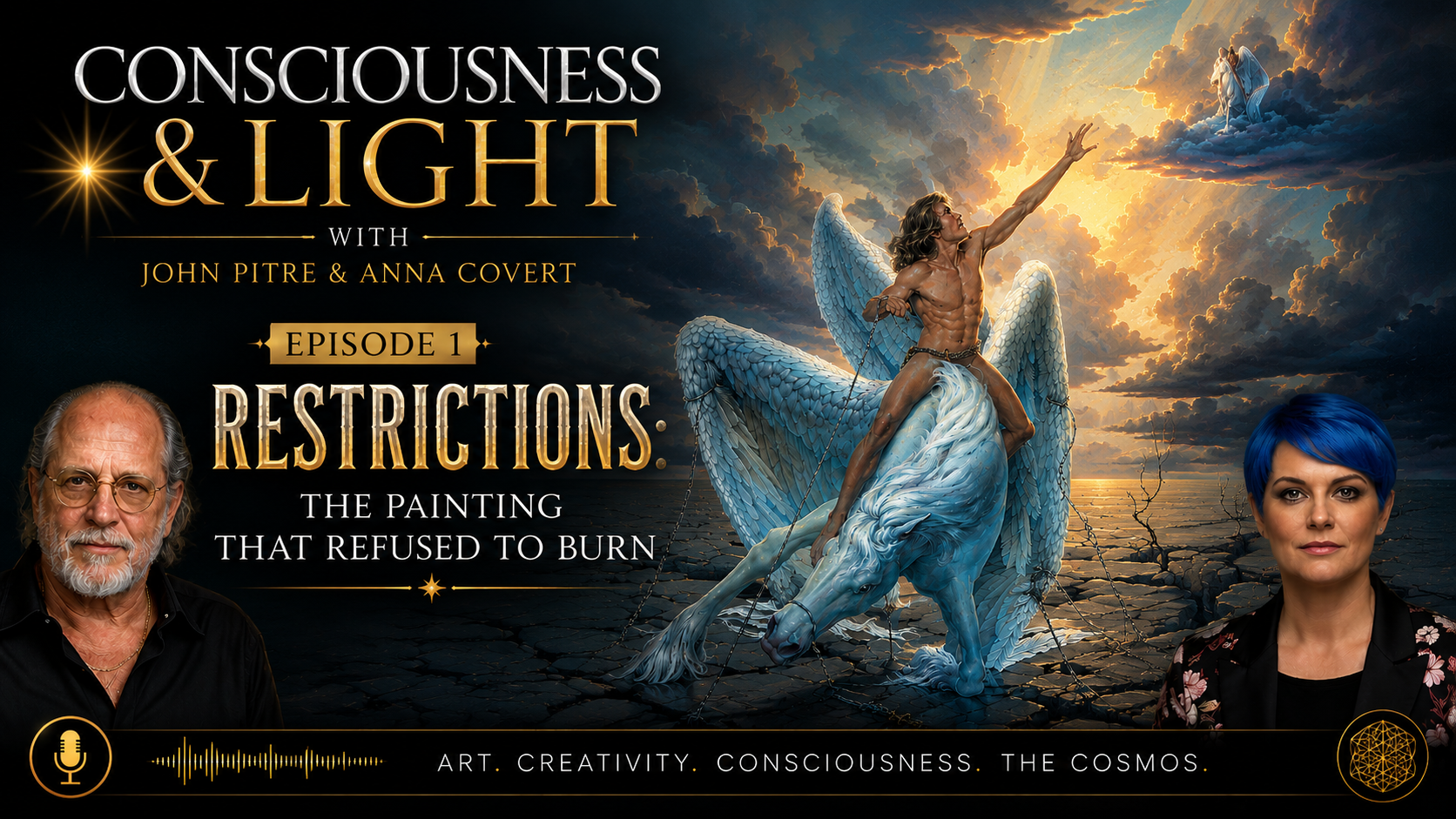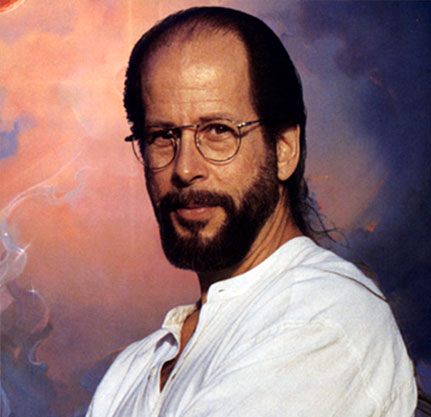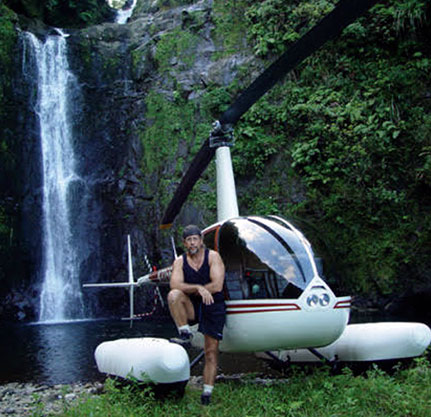

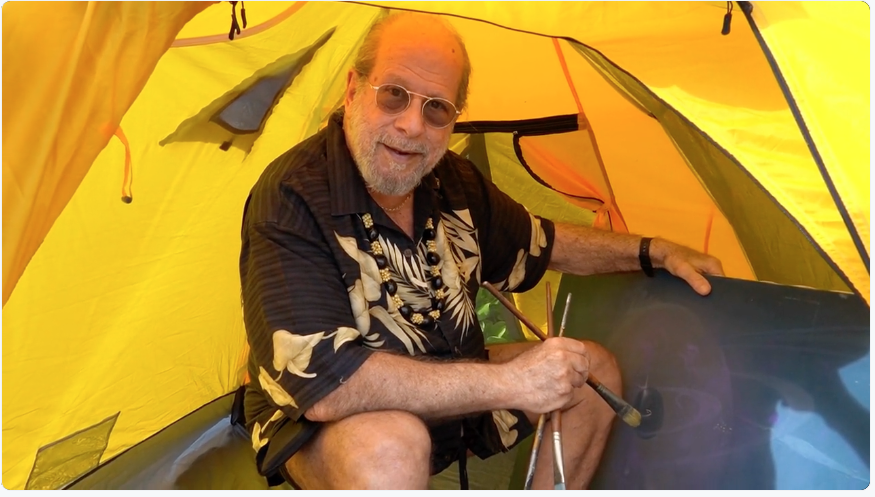
Telluride: The Wrong Turn That Changed John Pitre’s Life | Consciousness & Light | EP 2
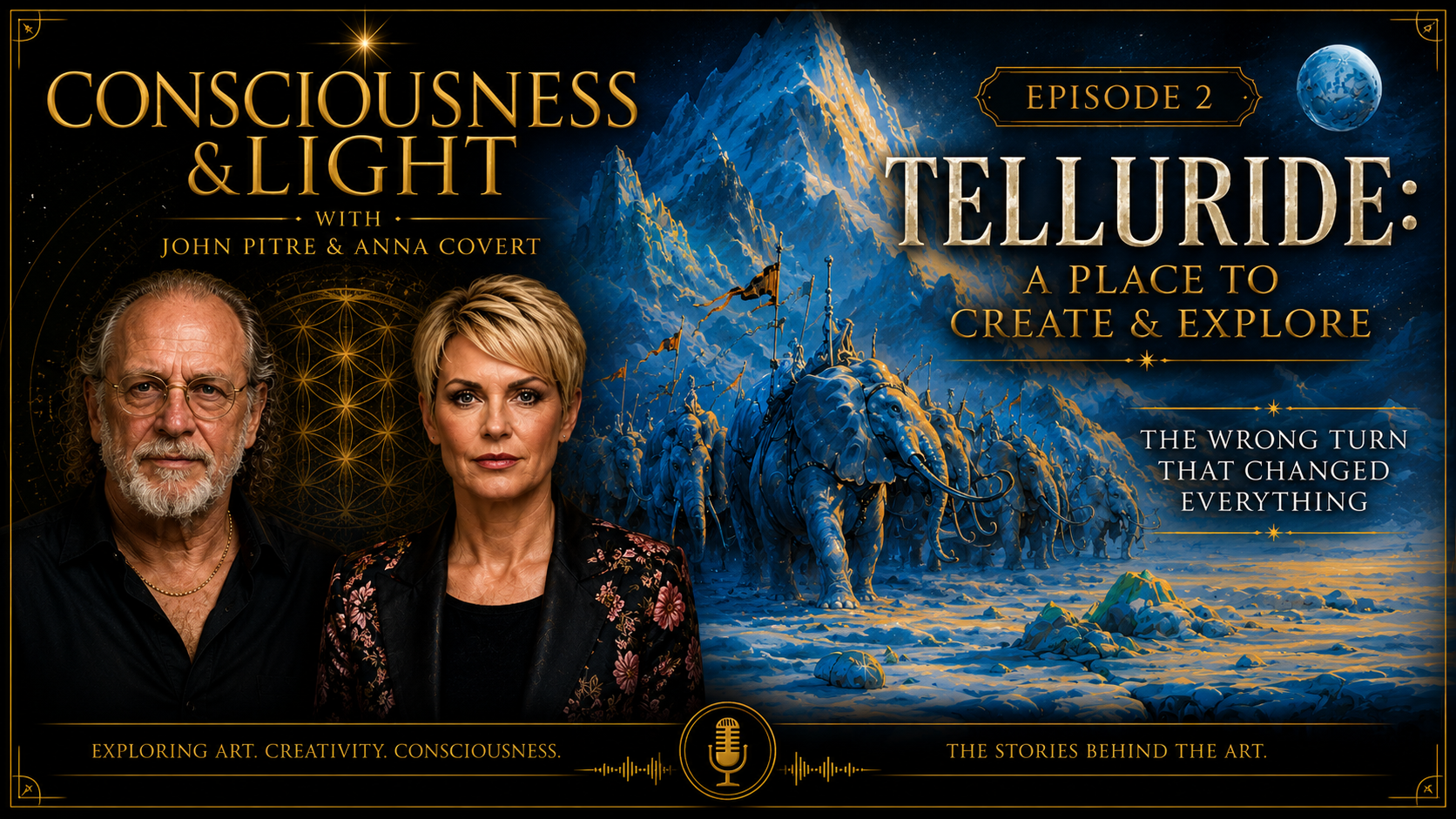
Telluride: The Wrong Turn That Changed John Pitre’s Life
Consciousness & Light returns with the unforgettable story of how an unplanned stop in Telluride, Colorado, became one of the most influential chapters in John Pitre’s life and artistic journey.
In this episode, John joins Anna Covert to talk about leaving Miami, crossing the country with his two young daughters, finding creative freedom in the mountains, and discovering that sometimes the place you never intended to stay becomes the place that changes everything.
Leaving the Illusion of Miami Behind
Miami was beautiful, exciting, dangerous, and filled with money, parties, and people living at an unsustainable pace.
For a time, the energy was intoxicating. But eventually, John realized that the life around him had become too fast, too hazy, and too disconnected from anything real.
With two young daughters depending on him, he began searching for space, fresh air, and a different way of living.
His solution was characteristically unconventional: buy a large motor coach, load up his daughters, and drive west without a firm destination.
“I loaded up my daughters, pointed west, and we crossed the Rockies with no real plan. Just instinct.”
A Place Near San Francisco That Wasn’t Meant to Be
At first, John believed he had found the right place near San Francisco. It was comfortable, upscale, artistic, and surrounded by beautiful scenery.
Then the fog arrived.
The cold, damp, gray weather quickly wore on his daughters. They wanted sunshine, freedom, and room to explore. Their opinion mattered, so John turned the motor coach around and headed back toward the Rocky Mountains.
That decision led to what appeared to be a wrong turn.
It may have been the most important wrong turn of his life.
Discovering Telluride by Accident
John had never heard of Telluride before arriving there. The town looked like an authentic Western movie set surrounded by enormous mountains, open air, historic buildings, and a raw sense of independence.
He stopped the motor coach on the main street near the Roma Bar. His daughters wanted to explore, so he gave them the keys and allowed them to wander through town.
John stepped inside the bar, where he encountered a working cowboy sitting with a rifle beside him and a bartender who looked like a combination of a hippie and a cowboy.
The cowboy turned to the bartender and said:
“Pour this man a drink. Put it on my tab.”
Three hours later, John was still talking with him.
Meanwhile, his daughters had discovered horses, open fields, and a sense of freedom they had not experienced anywhere else. When they returned, they told their father they wanted to stay.
What was meant to be a brief stop became nine years.
Life Inside the Old Miners’ Union Hospital
John and his daughters moved into the historic Miners’ Union Hospital, which had been converted into apartments.
The building had large rooms, dramatic proportions, history, and character. It was unusual, oversized, and perfectly suited to someone who had never been particularly interested in living small.
Telluride itself was filled with skiers, artists, drifters, cowboys, mountain women, musicians, and people who arrived for one season but never left.
Some residents were searching for something. Others were trying to escape something. Many were doing both.
It was a place where conversations about art, philosophy, fate, energy, consciousness, and the universe felt completely natural.
“Telluride didn’t feel separate from imagination. It felt like imagination had moved into town and opened a bar.”
The Motor Coach That Disappeared Beneath the Snow
After parking the motor coach behind the Miners’ Union building, John largely forgot about it.
Then winter arrived.
Telluride sits inside a box canyon, where snow does not simply fall—it accumulates. Eventually, the motor coach disappeared completely beneath it.
John noticed that a basement window faced the area where the vehicle was buried. He removed the window, looked into the wall of snow, and told his daughters that the bus was somewhere on the other side.
The girls and their friends began digging.
They eventually created a tunnel through the snow and reached the motor coach door. The vehicle still had heat and remained functional, so it became a winter clubhouse for the children.
Later, the cowboy John met at the Roma Bar needed somewhere to stay during the snow season. The buried motor coach became his temporary home as well.
In Telluride, even an abandoned bus seemed capable of finding an unexpected purpose.
Louise and the Legendary Twin Sisters
Among the many unforgettable personalities John encountered were twin sisters who had become local legends.
They were mountain women, cowgirls, business owners, landowners, and nearly impossible to intimidate.
John became especially close with Louise, a brilliant and fiercely independent woman who owned bars, restaurants, nightclubs, and valuable pieces of Telluride history.
Louise understood property and long-term value before most people did. She repeatedly encouraged John to purchase land while mountain property was still inexpensive.
Looking back, John admits that ignoring some of her advice is the kind of decision that makes a person want to have a serious conversation with his younger self.
The Old Schoolhouse and the Weight of Ownership
John did eventually purchase an old schoolhouse constructed by miners.
The building featured enormous classrooms, three-foot-thick walls, and the kind of structure that seemed built to withstand almost anything.
But John soon understood what restoring and developing it would require. The project demanded money he did not have and responsibilities he was not ready to carry.
He returned the property.
“Once you own things, they own you.”
Years later, the building was transformed into luxury apartments—another reminder that Louise had correctly understood Telluride’s future.
Life Drawing Classes and Creative Freedom
During his years in Telluride, John began teaching life drawing classes.
In a town filled with artists, skiers, travelers, free spirits, and curious locals, the promise of nude models created immediate interest in art education.
The classes quickly became more than technical drawing sessions. They evolved into social gatherings filled with music, wine, laughter, and people temporarily setting aside their usual identities.
Some participants were talented artists. Others were enthusiastic beginners. Nearly everyone arrived with confidence.
The experience helped create a community around art and opened new possibilities for John’s work.
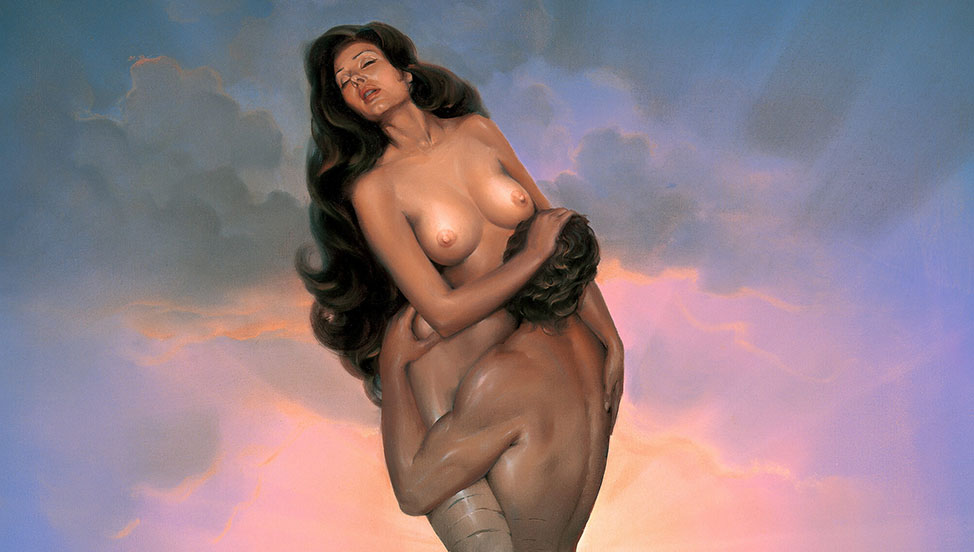
The Inspiration Behind Twilight Fantasy
One of the women who modeled for John told him she would pose anywhere.
John invited her into the forest.
The late-afternoon light streamed through the trees in warm golden beams. Shadows, colors, and atmosphere moved across the landscape as John painted her within the scene.
When the model saw the finished work, she laughed and said that it looked like her—but definitely did not look like the forest in Telluride.
That response captured the intention behind the painting.
John was not attempting to reproduce the forest exactly as it appeared. He wanted to capture what it felt like: the light, sensuality, emotion, atmosphere, and dream hidden inside the moment.
“Reality is just the starting material.”
Explore more of John Pitre’s visionary artwork and the stories that inspired it.
Telluride and the Symbolism of Queen of Swords
Telluride also deepened John’s interest in symbolism, perception, intuition, and the unseen forces shaping human awareness.
Conversations about fate, energy, consciousness, and the universe were a normal part of life in the mountain town.
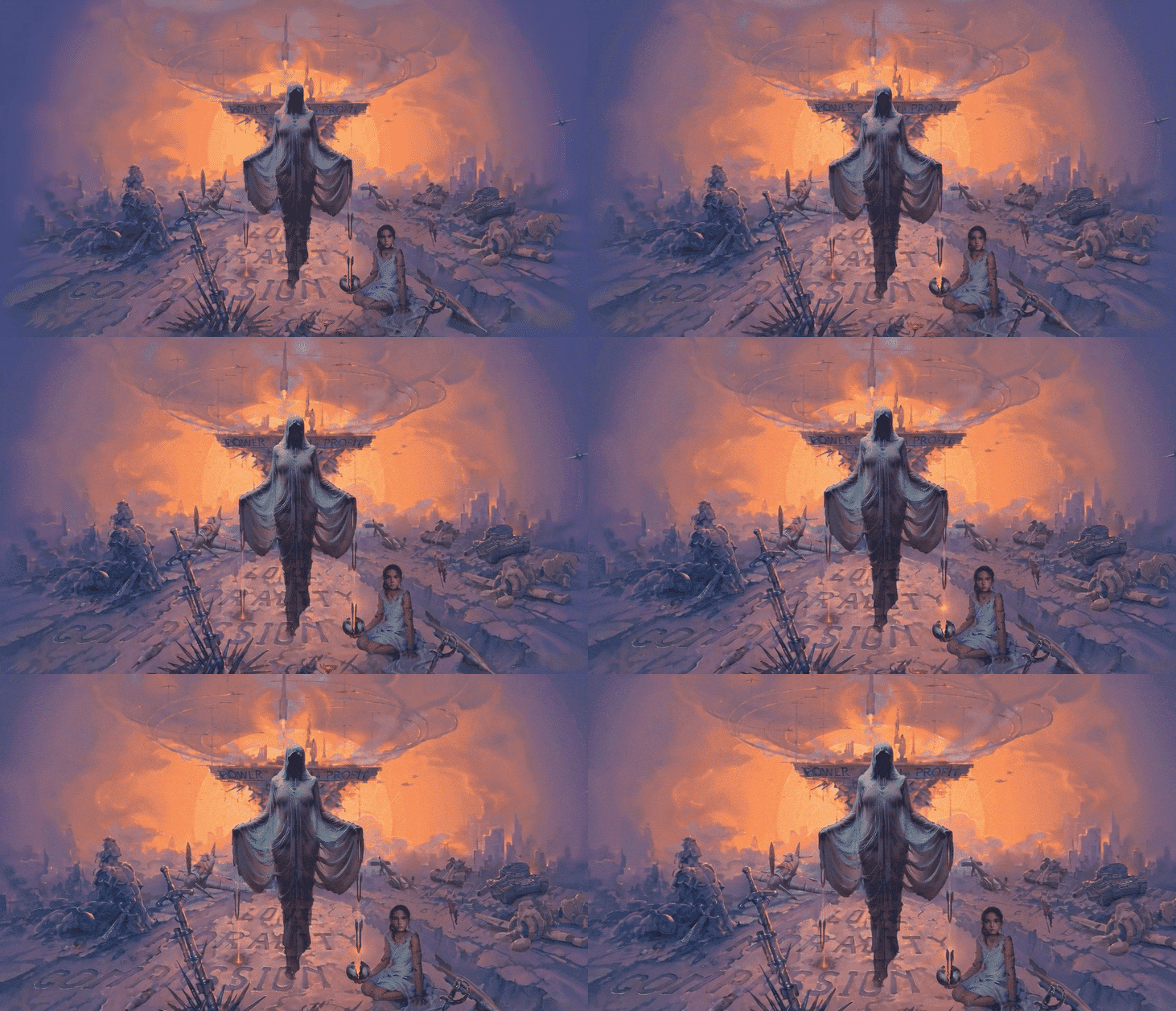
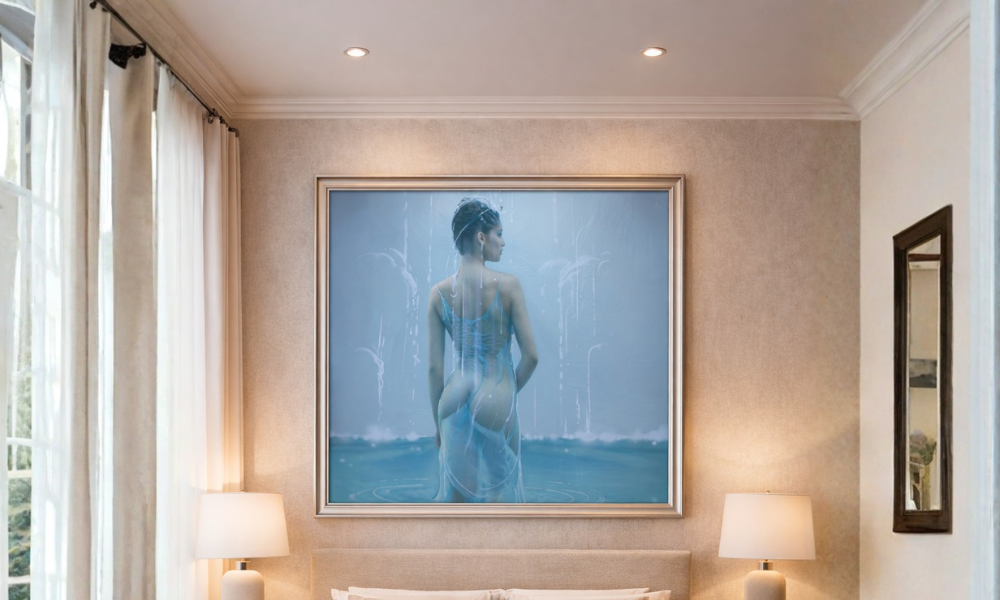
That atmosphere influenced Queen of Swords, a work centered on clarity, truth, perception, and an independent woman illuminated by her own understanding.
The swords are not simply weapons. They represent discernment—the ability to cut through confusion, illusion, and false appearances.
The figure is not passive and is not waiting to be rescued. She sees clearly and stands within the power of that awareness.
The Mountain Silence Behind Explorers
For all of Telluride’s humor, unpredictability, and colorful personalities, the town also offered profound silence.
There were forests, aspens, enormous skies, and mountain landscapes capable of making a person feel very small in the most meaningful way.
That perspective influenced Explorers.
The painting reflects wonder, scale, presence, and the realization that human beings are part of something far larger than themselves.
The mountains changed not only what John painted, but how he saw.
His use of light changed. His sense of scale expanded. His visual storytelling became more atmospheric, mysterious, and emotionally expressive.
Learn more about the chapter that inspired this work in Telluride: A Place to Create and Explore.
The Most Visible Plants in Telluride
Telluride also brought its share of trouble.
Although John was not smoking marijuana, he somehow ended up growing some of the largest marijuana plants in town.
He had placed seeds inside large decorative urns near the windows and then mostly forgotten about them. The plants flourished, eventually growing several feet tall in full view of the street.
John warned his former wife that the plants needed to be rotated because they were visible from outside.
She forgot.
When one of John’s daughters got her fingers stuck inside a newspaper box downtown, police officers visited the apartment to notify an adult. They looked toward the windows and saw the enormous plants.
A search warrant soon followed.
When John returned from Las Vegas, the marshal, sheriff, and state police were waiting in the hallway. John had nearly forgotten the plants existed until an officer looked toward the windows and asked what they were.
There was not much room for debate.
John helped the officers carry the oversized plants downstairs. Their branches extended from the police car windows as they were transported through town, creating what may have been one of Colorado’s least discreet drug seizures.
The incident made the front page of the local newspaper, complete with John’s face appearing between enormous marijuana leaves.
The Evidence Disappears
The story became even stranger overnight.
Someone broke into the police station and stripped every leaf and bud from the confiscated plants. Only the bare stalks remained.
The police wanted the entire incident to disappear. Eventually, the charges faded and the town moved on.
That was Telluride: unpredictable, loose, creative, and completely unlike anywhere else.
“It was freedom and chaos living in the same room.”
From Fine Art to a New Exercise Machine
The creative freedom John experienced in Telluride produced more than paintings.
He began thinking differently about exercise, movement, control, and resistance. He imagined a machine that could pump water in and out of chambers to adjust weight with precision.
Water was heavy, responsive, and forgiving. It offered a form of controlled resistance without the harsh impact or jerking associated with other equipment.
To build the prototype, John found a local blacksmith.
Together, they created a large, black, heavy-metal machine that looked unlike anything else available at the time.
Most importantly, it worked.
The equipment provided smooth, controlled resistance with no impact. John immediately recognized its potential.
Arthur Jones Arrives in Telluride
News of the machine eventually reached Arthur Jones, the founder of Nautilus and one of the most influential figures in the history of exercise equipment.
Jones was brilliant, intense, unconventional, and larger than life. He traveled to Telluride to inspect John’s variable-resistance machine.
After studying it for only a few minutes, Jones understood the engineering, concept, and commercial possibilities.
He turned to John and told him to pack his bags—and to have his girlfriend pack hers as well.
Their first destination was Atlanta, where they collected several professional football players before traveling to Jones’ property in Florida.
The estate had a runway, an aircraft hangar, giraffes, elephants, crocodiles, and the kind of atmosphere that suggested John had entered another completely different world.
Telluride had been his artistic world. Arthur Jones represented the beginning of a new chapter—one that would draw upon everything John had learned and challenge him in entirely new ways.
What Telluride Gave John Pitre
Looking back, John describes Telluride through four words:
Freedom. Scale. Light. Perspective.
The town gave him space to explore both the outside world and his interior life. It introduced him to people who were strange, brilliant, flawed, funny, and completely alive.
It gave him stories, silence, mountains, creative friction, and unexpected opportunities.
It also gave him a buried motor coach, a cowboy roommate, a drug bust, a snow tunnel, and a blacksmith-built exercise machine.
In other words, it provided a remarkably balanced education.
Creativity Needs Space, Friction, and Surprise
The deeper lesson of John’s Telluride years is that creativity is rarely clean, predictable, or carefully planned.
It can emerge from wrong turns, unusual people, strange invitations, unexpected problems, and places that only make sense when viewed years later.
“Creativity needs space. It needs friction. It needs surprise. If everything is too controlled, nothing alive gets in.”
Telluride was not an escape from life. It was a deeper entrance into it.
It gave John a place to slow down without ever asking him to stop.
Watch Consciousness & Light: The Telluride Episode
In this episode of Consciousness & Light, John Pitre and Anna Covert explore the surprising, humorous, creative, and transformational years John spent in Telluride.
It is a story about getting lost, being found, and recognizing that the best decision of your life may be the one you never intended to make.
Explore More
“`
Consciousness & Light: Telluride — The Wrong Turn That Changed Everything
Featuring: John Pitre and Anna Covert
Anna: Welcome to Consciousness & Light, where we explore art, creativity, consciousness, and the deeper forces shaping our lives.
Anna: I’m Anna Covert, and today I’m sitting down with artist John Pitre to talk about one of the most unexpected chapters in his life: Telluride.
Anna: This is not just a story about a mountain town. It is a story about leaving one life behind, taking a wrong turn, finding creative freedom, and discovering that sometimes the place you never planned to stay becomes the place that changes everything.
Anna: John, welcome back.
John: Thank you, Anna. It’s good to be here.
Anna: Let’s start with the beginning. You were leaving Miami. What were you really trying to get away from?
John: Miami at that time was beautiful, exciting, dangerous, and completely unreal. There was money everywhere, parties everywhere, beautiful people everywhere.
John: It was the kind of place where everyone looked fantastic and nobody was sleeping enough.
John: But after a while, I knew it couldn’t last. It was too fast. Too hazy. Too much illusion. I had two little daughters, and I needed space. I needed air. I needed somewhere real.
Anna: So you bought a motor coach.
John: Of course. Because when your life feels too complicated, the obvious solution is to buy the biggest bus you can find and drive west with two kids.
John: But that’s what I did. I loaded up my daughters, pointed west, and we crossed the Rockies with no real plan. Just instinct.
Anna: And at first, you thought you had found the right place near San Francisco.
John: For a moment, yes. It looked comfortable. Upscale. A little artsy. The weather was beautiful.
John: And then the fog arrived, and apparently decided it had a long-term lease.
John: The girls hated it. Cold, damp, gray, dark. They wanted no part of it. And their opinion mattered. So I turned the bus around.
Anna: And that’s when the wrong turn happened.
John: Or the right turn. I still don’t know.
John: We were heading back across the Rockies, and somehow we ended up in Telluride. I had never heard of it. It looked like an old Western movie set, except it was real. Mountains, open air, old buildings, that raw feeling of a town that didn’t care who you were.
Anna: Where did you stop?
John: Right on the main street, across from the Roma Bar. The girls wanted to explore, so I gave them the keys to the bus and told them to go.
John: Different time. Back then, kids disappeared into town for hours and everyone survived.
Anna: And you walked into the bar.
John: I did. I looked through the window first. There was a real cowboy inside, the kind that actually worked ranches, with a rifle beside him like that was perfectly normal.
John: Which, in Telluride, it probably was.
John: The bartender looked like a cross between a hippie and a cowboy. They both looked tired of each other. I walked in, and the cowboy turned to the bartender and said, “Pour this man a drink. Put it on my tab.”
Anna: And three hours later, you were still there.
John: Three hours later, we were still talking. That’s how Telluride got you. You stopped for an hour, and suddenly nine years had passed.
Anna: Your daughters came back and said they wanted to stay.
John: They did. They had found horses, fields, freedom. They were lit up. And I could see it. This place had something.
John: So we stayed.
Anna: What was meant to be temporary became nine years.
John: And those nine years changed everything.
Anna: You ended up living in the old Miners’ Union Hospital.
John: Yes. It had been turned into apartments. Big rooms, history, character. It was dramatic, oversized, a little strange.
John: Perfect for me, obviously. I’ve never been very good at living small.
Anna: What was Telluride like then?
John: It was skiers, artists, drifters, cowboys, mountain women, and people who came for a season and never left.
John: Everyone was either chasing something or trying to outrun something. Sometimes both.
John: There was art, philosophy, music, pot plants the size of furniture, and people discussing the universe like it had personally sent them a memo.
Anna: It sounds like the kind of place where surrealism made sense.
John: Exactly. Telluride didn’t feel separate from imagination. It felt like imagination had moved into town and opened a bar.
Anna: Speaking of things moving into town, let’s talk about the motor coach.
John: Ah, the bus. I parked it behind the Miners’ Union and forgot about it.
John: Which is a very optimistic thing to do in a mountain town before winter.
Anna: Then the snow came.
John: And kept coming. Telluride is a box canyon, so snow doesn’t just fall. It piles. After a while, I went outside and the bus was gone. Completely buried.
Anna: But you had an idea.
John: I had a window in the basement that faced where the bus was buried. So I unscrewed it, looked at this wall of snow, and told the girls, “I think the motor coach is right over there. Dig a tunnel to it.”
Anna: That sounds either brilliant or insane.
John: In Telluride, those were often the same thing.
John: The girls and their friends dug a tunnel through the snow until they reached the door. The bus still had heat. It still worked. So it became a clubhouse for the kids all winter.
John: And later, the cowboy from the Roma Bar needed a place to stay during the snow months. So he stayed in the bus too.
Anna: The motor coach found its purpose.
John: It did. Everything in Telluride seemed to find a strange purpose.
Anna: Then there were the twin sisters. Local legends.
John: Oh, yes. The sisters. They were mountain women, cowgirls, business owners, landowners, and absolutely impossible to intimidate.
John: Louise was the one I became closest to. Brilliant. Independent. She owned bars, restaurants, nightclubs, pieces of history. She understood land and value before everyone else did.
Anna: She also had a very specific sense of humor.
John: That’s one way to put it.
John: One day, we were hiking high in the forest, and she had been picking mushrooms. She sees a baseball team down below and says, “Watch this.”
Anna: And she gave them the mushrooms.
John: She did. A chunk each. Then she tells me, “Go over there and watch. We’re just going to hang out for a while.”
John: Next thing you know, these guys are wandering the bases in the wrong direction, laughing at things only they could see.
Anna: That was Louise.
John: That was Louise. She could walk into a situation and change the entire atmosphere.
Anna: She also saw the future of Telluride before most people did.
John: She did. She kept trying to sell me property. Land was cheap then. You could buy pieces of the mountain for almost nothing.
John: Which, looking back, is the kind of thing that makes you want to go outside and yell at your younger self.
Anna: You did buy an old schoolhouse.
John: I did. It had been built by miners. Three-foot-thick walls, huge classrooms, incredible structure. It felt like endurance in building form.
Anna: But you gave it back.
John: I realized what it would take to do anything with it. Money I didn’t have. Dreams I couldn’t afford yet. And more importantly, the weight of ownership.
John: Once you own things, they own you.
Anna: Years later, it became luxury apartments.
John: Of course it did. Louise was right. She was always right about those things.
Anna: During this time, you also started teaching life drawing classes.
John: Yes. And in a town like Telluride, if you said the words “nude models,” suddenly everyone developed a deep interest in art education.
Anna: Everyone came?
John: Everyone. Skiers, artists, locals, drifters, tourists, beautiful people, not-so-beautiful people, people who could draw, people who definitely could not draw.
John: But they all had confidence, and in Telluride, that counted for a lot.
Anna: It became more than a class.
John: It became a social gathering. Music, wine, laughter, people dropping their pretenses. And some of them could really draw. That surprised me.
Anna: One of those moments led to Twilight Fantasy.
John: Yes. A woman who had modeled for me said she would pose anywhere. So I said, “Come with me into the forest.”
John: The light was perfect. Late afternoon. Beams coming through the trees. Warm gold, shadows, color moving across everything. I painted her there.
Anna: And when she saw the painting, she laughed.
John: She did. She said, “It looks like me, but that is definitely not the forest in Telluride.”
John: And that was exactly the point. I wasn’t trying to copy the forest. I was trying to capture what the forest felt like. The light, the sensuality, the atmosphere, the dream inside the moment.
Anna: That is such a key part of your work. You are not simply painting what is there. You are painting what is revealed.
John: Exactly. Reality is just the starting material.
Anna: Telluride also influenced Queen of Swords.
John: Yes. During that time, I became more drawn to symbolism, intuition, and the unseen forces shaping awareness.
John: In Telluride, conversations about fate, perception, energy, and consciousness felt completely normal. You could talk about the universe at breakfast and no one blinked.
John: They might disagree with you, but they wouldn’t blink.
Anna: Queen of Swords is about clarity.
John: Clarity, truth, perception. A woman who sees. Not someone passive. Not someone waiting to be rescued. She is illuminated by her own understanding.
Anna: The swords become instruments of discernment.
John: Yes. They are not just weapons. They cut through illusion.
Anna: And then there is Explorers.
John: Explorers came from the quieter side of Telluride. For all the wild stories, there was also silence. Forests. Aspens. Massive sky. The feeling that you are very small, but in the best possible way.
John: That changes you. The mountains remind you that you are not the center of everything.
John: Explorers was about wonder, scale, and presence. It was about standing inside nature and realizing you are part of something much larger.
Anna: So Telluride changed not only what you painted, but how you saw.
John: Absolutely. The light changed. The scale changed. The storytelling changed. The work became more atmospheric, more mysterious, more emotionally expansive.
Anna: But of course, Telluride also had its own version of trouble.
John: Of course it did. It wouldn’t be Telluride without a little trouble.
Anna: Let’s talk about the plants.
John: Right. The plants no one asked about.
John: Everybody was smoking pot back then. Everybody but me. Which is important to say, because somehow I still ended up with the most ridiculous pot plants in town.
Anna: How did that happen?
John: I had seeds. I had these big old urns in the windows. They were art pieces, really. I filled them with good soil, put the seeds in, and didn’t think about it again.
John: Then one day, Jack and the Beanstalk showed up.
Anna: They got huge.
John: Huge. Five or six of them, sitting in sunny windows, growing like they had career ambitions.
John: I told my ex-wife, “You have to rotate those plants. People can see them from the street.”
Anna: She forgot.
John: She forgot.
John: Then one of my daughters got her fingers stuck in a newspaper box downtown. The police came to the apartment to notify someone, looked up, and there they were. Giant marijuana plants waving hello from the windows.
Anna: A warrant followed.
John: Yes. A warrant followed. As warrants tend to do when your illegal garden is framed perfectly in the window.
John: When I got back from Las Vegas, the marshal, sheriff, and state police were waiting in the hallway. They said they had a warrant to search for illegal substances.
John: I had honestly forgotten about the plants until one officer looked up and said, “If there’s nothing in here, what the hell are those?”
Anna: There wasn’t much to argue.
John: No. There really wasn’t.
John: I helped them carry the plants downstairs. They were so big they barely fit. Branches hanging out of the police car windows as they drove through town.
John: It may have been the least discreet drug bust in Colorado history.
Anna: And then it made the front page.
John: Of course it did. My head was sticking out between giant marijuana leaves like some accidental gardening advertisement.
Anna: But the story did not end there.
John: No, it got better.
John: Overnight, while the plants were locked inside the police station, someone broke in and stripped them. Every leaf, every bud. Gone. Just stalks left.
Anna: The police wanted the whole thing to disappear.
John: They did. And eventually, it did. Charges faded. The town moved on.
John: In Telluride, that was usually enough.
Anna: That story is funny, but it also says something about the world you were living in. It was unpredictable, loose, creative, and completely unlike anywhere else.
John: Exactly. It was freedom and chaos living in the same room.
Anna: And out of that freedom came not only paintings, but inventions.
John: Yes. I had been thinking about exercise differently. Control, resistance, movement. I had this idea that if you could pump water in and out of chambers, you could control weight perfectly.
John: Water was heavy, responsive, forgiving. Simple but powerful.
Anna: So you found a blacksmith.
John: Because again, Telluride. If you need a prototype, naturally you go find a blacksmith.
John: Together, we built the first unit. It was black, heavy metal, beautifully made. It didn’t look like anything else.
Anna: And it worked.
John: It worked. No jerking. No impact. Pure, controlled resistance. I knew it was something.
Anna: Then Arthur Jones heard about it.
John: He did. Arthur owned Nautilus. He changed exercise equipment. He was brilliant, intense, larger than life. He heard about this variable-resistance machine and came to Telluride to see it.
Anna: What happened when he saw it?
John: He looked at it for about five minutes. That was all he needed. He understood everything. The engineering, the concept, the potential.
John: Then he looked at me and said, “Pack your bags. Tell your girlfriend to pack hers too.”
Anna: Just like that.
John: Just like that. Apparently, that was a recurring theme in my life.
Anna: Where were you going?
John: I asked him that. He said, “Atlanta. We’re picking up some football players.”
Anna: That sounds like the beginning of another completely different story.
John: It was. We flew to Atlanta, picked up these big football players, and then went down to his place in Florida.
John: He had a runway, a hangar, wild animals, elephants, giraffes, crocodiles. He would feed the crocodiles live chickens and make you stand there and watch.
John: That was Arthur’s idea of hospitality.
Anna: So Telluride had been your artist’s world. But now something else was calling.
John: Yes. Something bigger. Something that would demand everything I had learned and push me into a completely new chapter.
Anna: When you look back at Telluride now, what do you think it really gave you?
John: Freedom. Scale. Light. A different way of seeing.
John: Telluride gave me room to explore, not just outside, but inside. It gave me people who were strange and brilliant and flawed and alive. It gave me stories. It gave me silence. It gave me mountains.
John: It also gave me a drug bust, a snow tunnel, a cowboy roommate, and a blacksmith-built exercise machine. So, you know, a balanced education.
Anna: It sounds like Telluride taught you that creativity is not always clean or planned. Sometimes it comes from wrong turns, odd people, buried buses, strange invitations, and places that make no sense until later.
John: That’s exactly right. Creativity needs space. It needs friction. It needs surprise. If everything is too controlled, nothing alive gets in.
Anna: And that is the consciousness inside this chapter. Telluride was not an escape from life. It was a deeper entrance into it.
John: Yes. It was a place to slow down, but never to stop.
Anna: This has been Consciousness & Light, featuring John Pitre and the story of Telluride: a place to create, explore, get lost, get found, and let the light change everything.
John: And if you ever take a wrong turn in the mountains, pay attention. It might be the best decision you didn’t mean to make.
Anna: Until next time.