

The Ghost of War: Who Pays for War? John Pitre’s Question About the Cost of Conflict
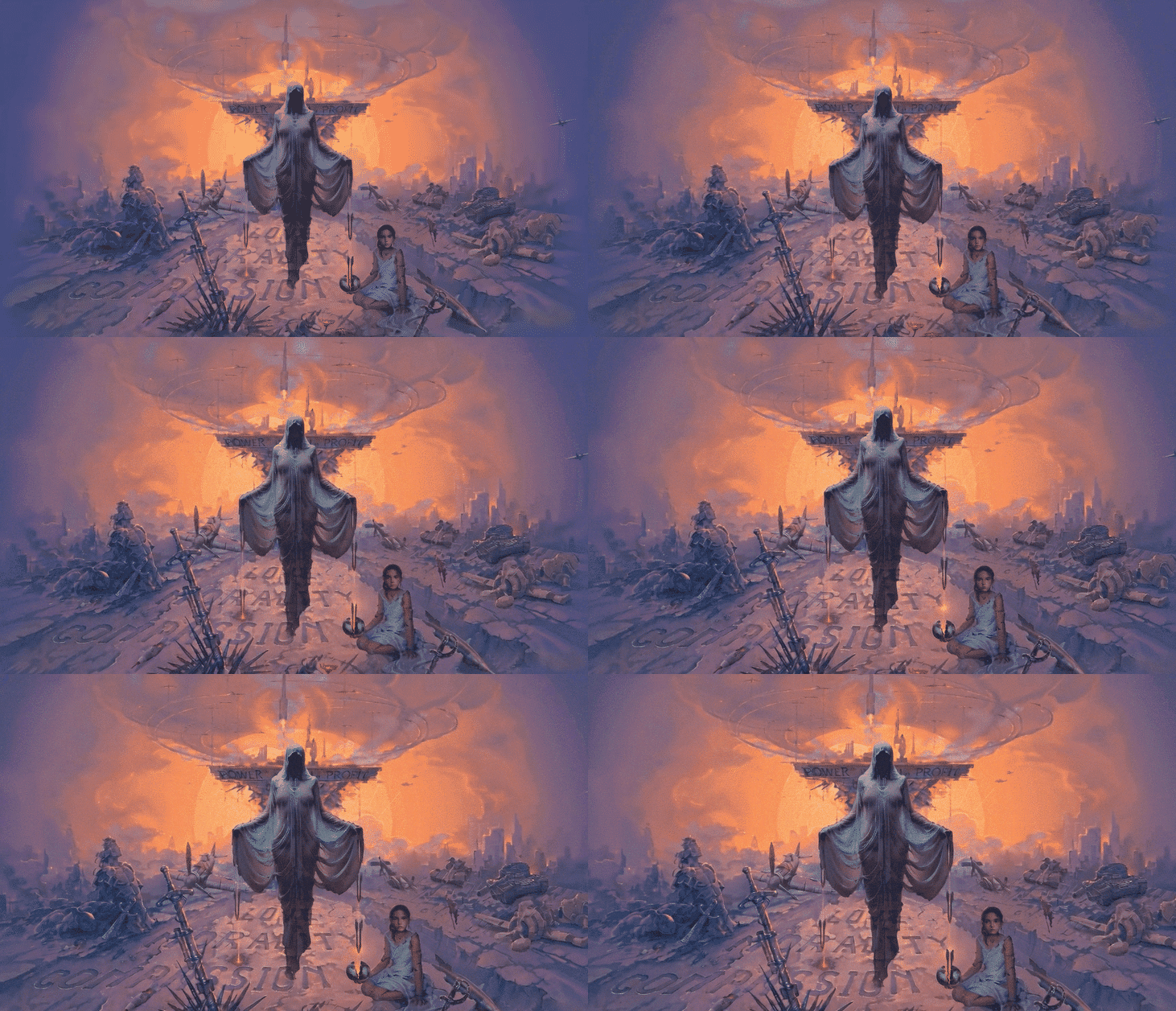
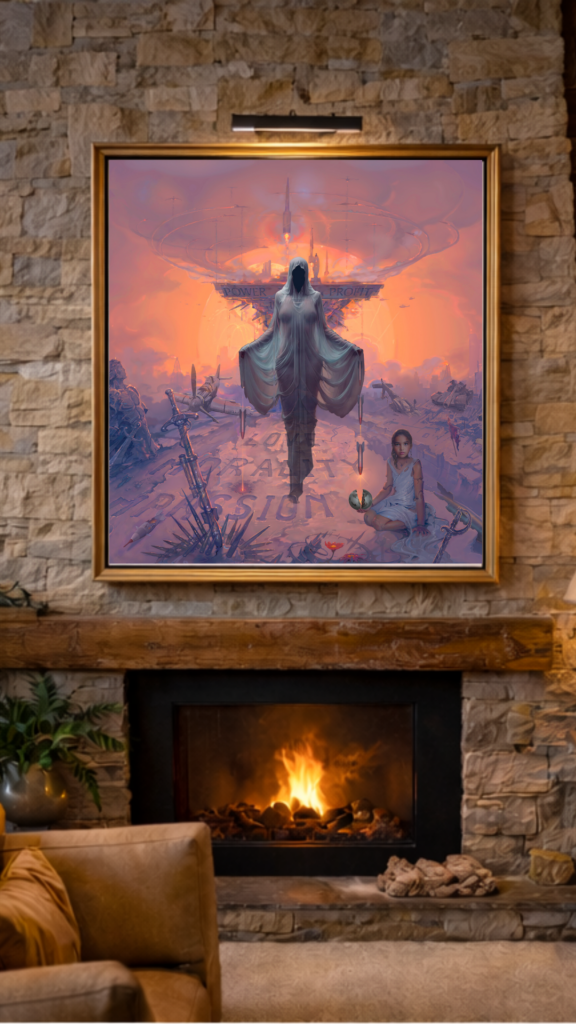
Ghost of War by John Pitre is a powerful visionary painting exploring the lasting impact of conflict, power, and human suffering. Through a haunting spectral figure surrounded by the remnants of war, the artwork invites reflection on sacrifice, resilience, and the enduring consequences of violence.
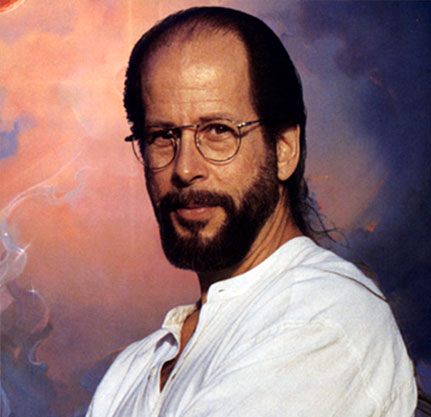
John Pitre had seen something in the military that most civilians never glimpse—the machinery of war, not from the outside, but from within. During the Cold War, serving in the special forces of the National Guard, he trained in advanced military schools alongside men who believed in what they were doing. He was prepared, at one point, to go to Vietnam himself to train troops. But Pitre came to understand something that would haunt him for the rest of his artistic career: war doesn’t need faces. It doesn’t need reasons. It only needs profit—and it needs a system that allows a single man, one fallible human being, to hold the power to end civilization itself in his hands.
The moment came when he made a choice that separated him from the institution he served. He refused to go to Vietnam. He had seen the machinery at work—seen how young men, drafted against their will, were sent into situations where they were forced to make impossible choices. He knew of a neighbor, a beautiful young man, who was drafted and sent to the jungle. This boy was ordered to be wary of children running toward the trucks—they might carry grenades. One day, a young Vietnamese girl, perhaps twelve or thirteen years old, ran up behind the truck. The soldiers shouted warnings. The boy shot her. In her hands was a doll she had made. She wanted to sell it to them. That young man never recovered. The war had taken his humanity and replaced it with a permanent shadow.
Pitre had begun to understand the truth that would later be articulated by Nixon himself—a man Pitre despised for many reasons, yet who spoke an undeniable truth: The only way to put an end to war is to take the profit out of it. Because war, Pitre realized, was not about defending freedom or ideals. It was about power. It was about profit. It was about defense contractors and banks and stockholders growing wealthy while sons and daughters were sent to die in foreign lands for reasons that made no sense.
But as Pitre grew older, he came to see an even more fundamental problem: the concentration of power in a single person’s hands. A nation founded in rebellion against the rule of kings had inadvertently created a new kind of monarchy—one man with the authority to use nuclear weapons, to dictate foreign policy, and to wage war without meaningful restraint. The Founding Fathers had written the Constitution with the intention of checks and balances, but they had never imagined weapons that could destroy entire cities, entire nations, or perhaps all of human civilization. Yet the system remained: one person, fallible and human like all others, holding the button. Pitre believed that this power had to be stripped from the presidency itself—reduced, like a chairman of the board, to requiring the approval of the full Congress for any act of war. Democracy, he understood, meant that the choice to wage war could not rest with one person. It could not.
Over the decades, as Pitre watched American foreign policy unfold—Vietnam, the wars in the Middle East, and the trillion-dollar military apparatus spinning endlessly—he came to see war as something almost supernatural. Not evil, exactly, but faceless. Ageless. It wore different masks in different eras—the sword, the machine gun, the tank, the drone—but it was always the same ghost. It always wore the same pale shroud. It always left the same wreckage. And it always profited the same people.
Ghost of War emerged from this understanding. The figure at the center of the painting has no face because those who truly support, promote, and profit from war remain anonymous. They have no identity. They don’t appear on ballots or in photographs. They are the shadow power behind every conflict—the banking dynasties, the defense contractors, the financial interests that thrive on destruction.
Nathan Rothschild, founder of the Rothschild banking dynasty, once said something that Pitre never forgot: “I care not about whatever puppet they put on the throne, nor who controls the military. Just give me control of the money, and I will rule the empire.” This was the real face of war—or rather, its facelessness. It wasn’t generals or presidents making decisions. It was the ones who financed both sides, who profited from the bloodshed, who remained hidden behind layers of corporations and accounts and shell companies.
In every age, war has never needed a face. It could be a Roman general or a modern defense secretary. It could be a dictator or a democratic president. The face is irrelevant. The ghost wears the system itself like a costume, and that system has only two pillars: power and profit. But the real power—the power that matters—belongs to those who control the money.
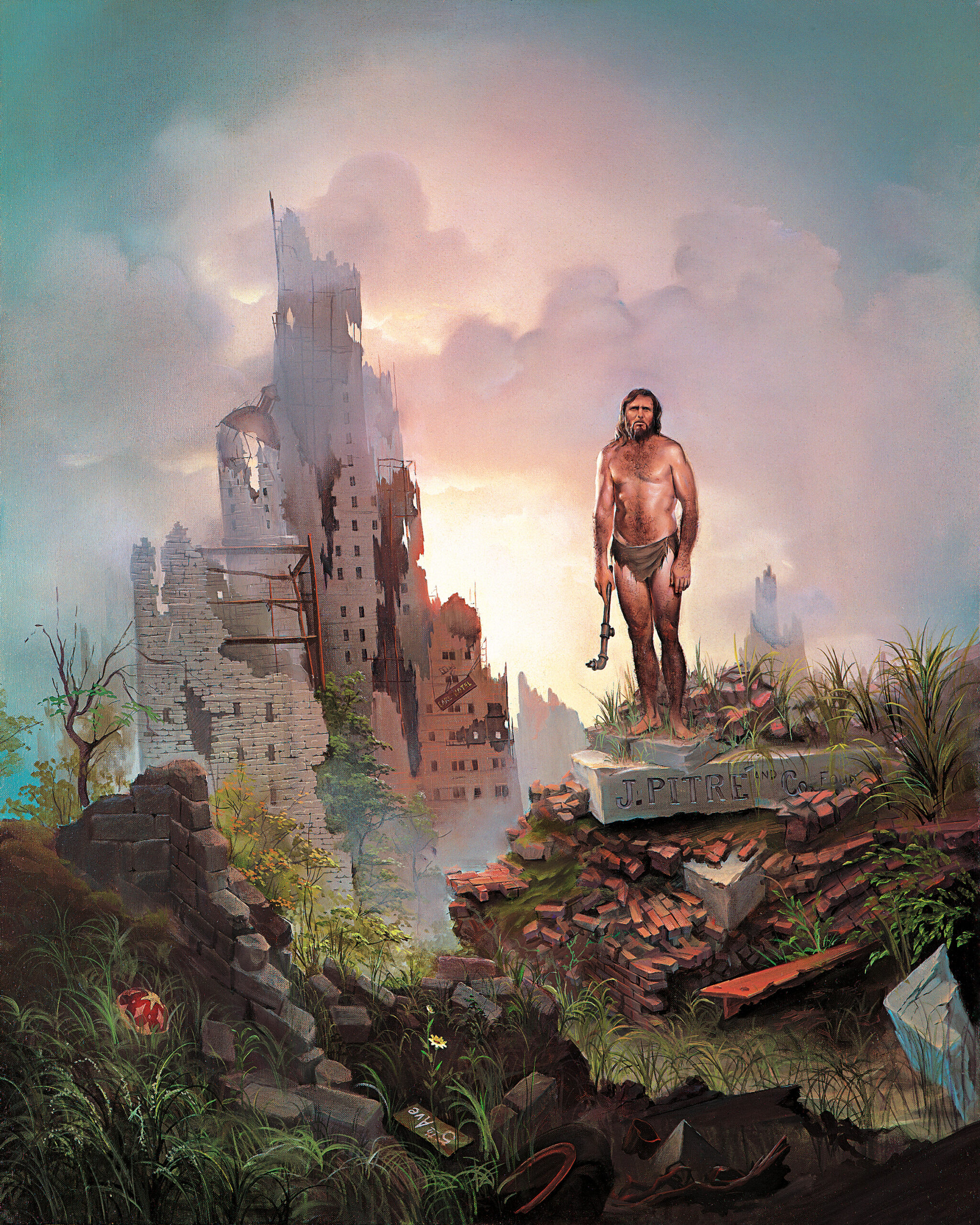
Beneath the ghost’s feet, trampled and fading into dust, are the words that civilizations claim to build themselves upon—love, morality, compassion, justice. All of them ground beneath the weight of an endless machine. And scattered across the landscape are the weapons of every age, each a different mask worn by the same ancient violence.
But Pitre, in his insistence on balance, would not end the painting in despair. To one side sits what appears to be a child—perhaps of Palestinian descent, perhaps from any of the countless conflicts where innocence is destroyed. But upon closer examination, it becomes clear: she is only a wooden doll. To those who profit from war, human life has no more value than a toy. She cradles in her hands a fractured world, yet within that broken sphere glows a single ember of light. She represents the ones who inherit the ruins and the debt of their elders’ choices. She is the reason Pitre paints at all.
The painting speaks to every moment in human history when civilizations turn toward war. But it feels made for this moment—this moment when the ghost of war walks again, when defense contractors celebrate record profits, when a billion dollars a day flows from taxpayers’ pockets into the machinery of destruction. Pitre asks the question he has asked his entire artistic life:
How many more times will we hand a broken world to the ones who did nothing to break it?
And beneath that question lies a deeper one: When will we finally understand that the ghost of war has no face because it doesn’t need one—it lives in our systems, in our choices, in our willingness to let profit drive policy. Until we take the profit out of war, the ghost will keep returning, wearing new masks, trampling the same words beneath its feet, demanding new sacrifices from those too young to refuse.
Stay tuned — this piece has something very special planned and will be shared with the public soon.